
Grandview, Blue Springs MO
Garage Door Repair for Grandview, MO
Serving Grandview's 1973-era housing stock from Blue Springs: torsion spring, opener, and track repair sized to the original hardware built into these houses.
Local detail
The Houses Here
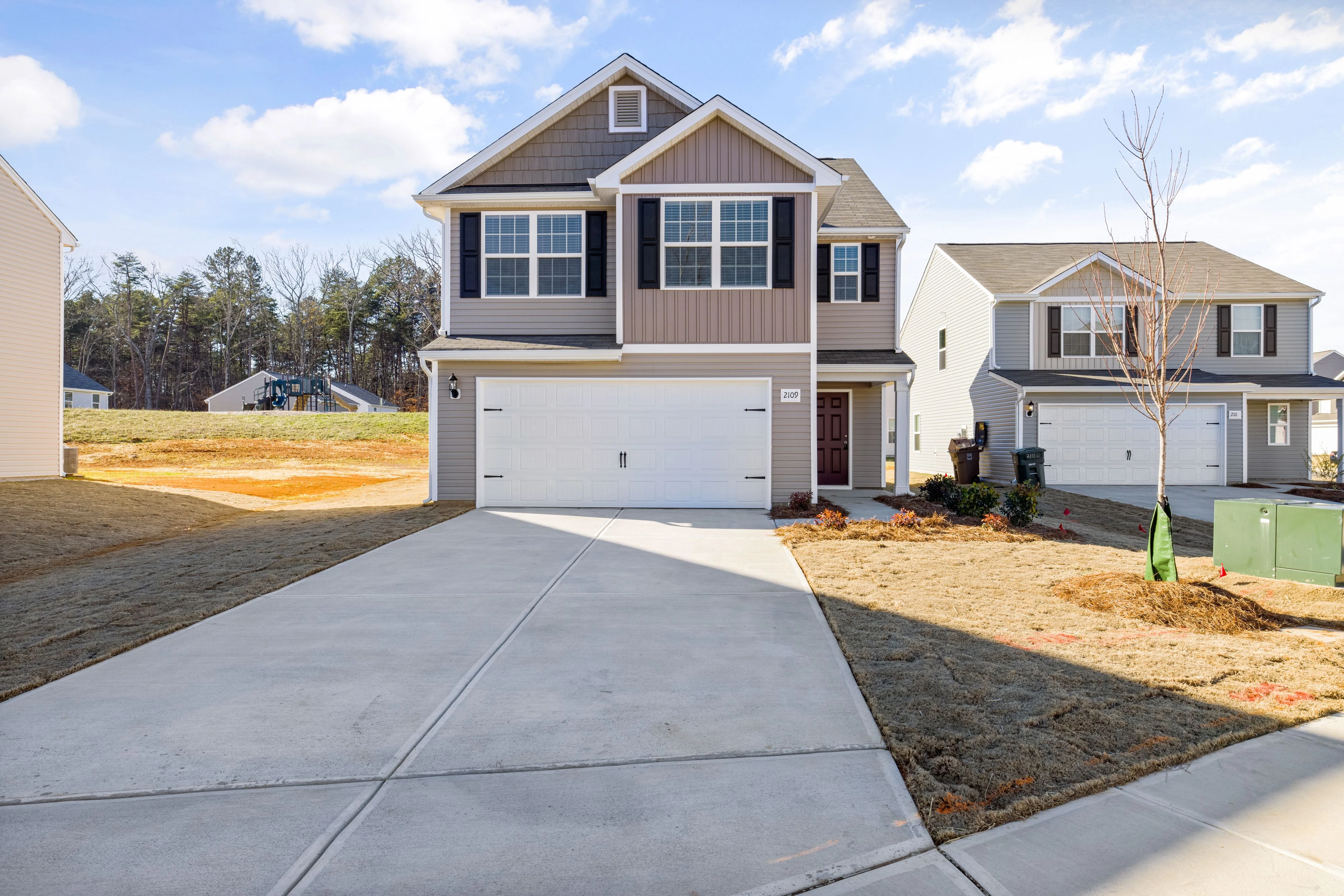
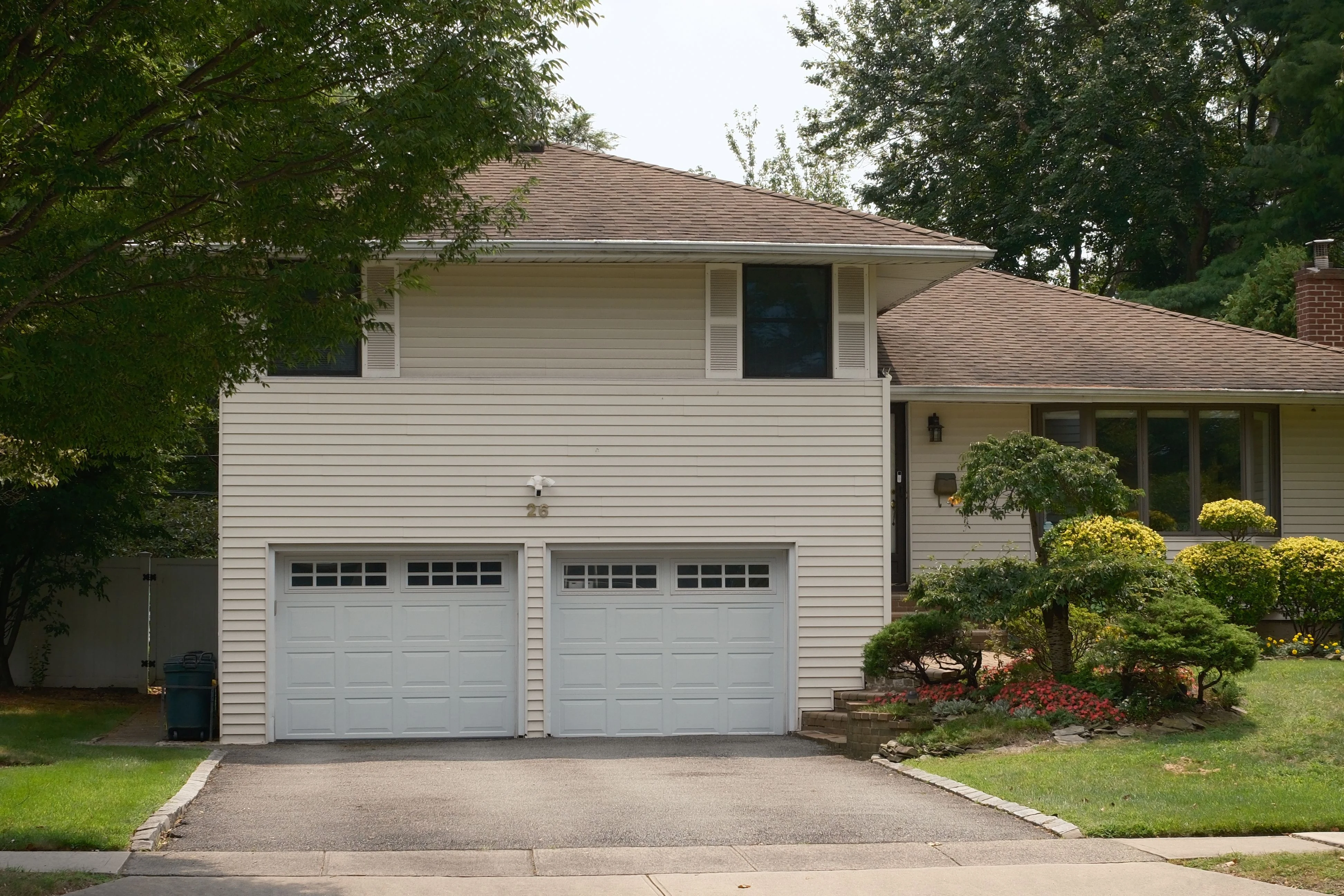
Grandview's houses cluster tightly around a 1973 median build year, which puts most of the neighborhood on the same generation of garage door hardware - steel doors, single torsion springs, and openers that have usually been swapped out once or twice already. That's a different animal than the mixed 1950s-through-2000s stock you find across the wider service area (median 1974, but spread over decades). Here it's more uniform: one era, one common set of parts.
With about 11,225 households in Grandview, this is one of the larger pockets we drive out to from Blue Springs, and it's a 16-mile run each way, further out than closer stops like Grain Valley. We don't have a shop in Grandview - every job comes from the Blue Springs side - so we plan the trip around what a 1973-era door actually needs, not a guess.
Median household income in Grandview runs $53,431, well under the $71,881 seen across the broader area. That gap shows up in the calls we get: more requests to fix what's there than to replace it outright, and more interest in a repair that gets a few more years out of original hardware instead of a full teardown.
The area
What We Do Most in This Area
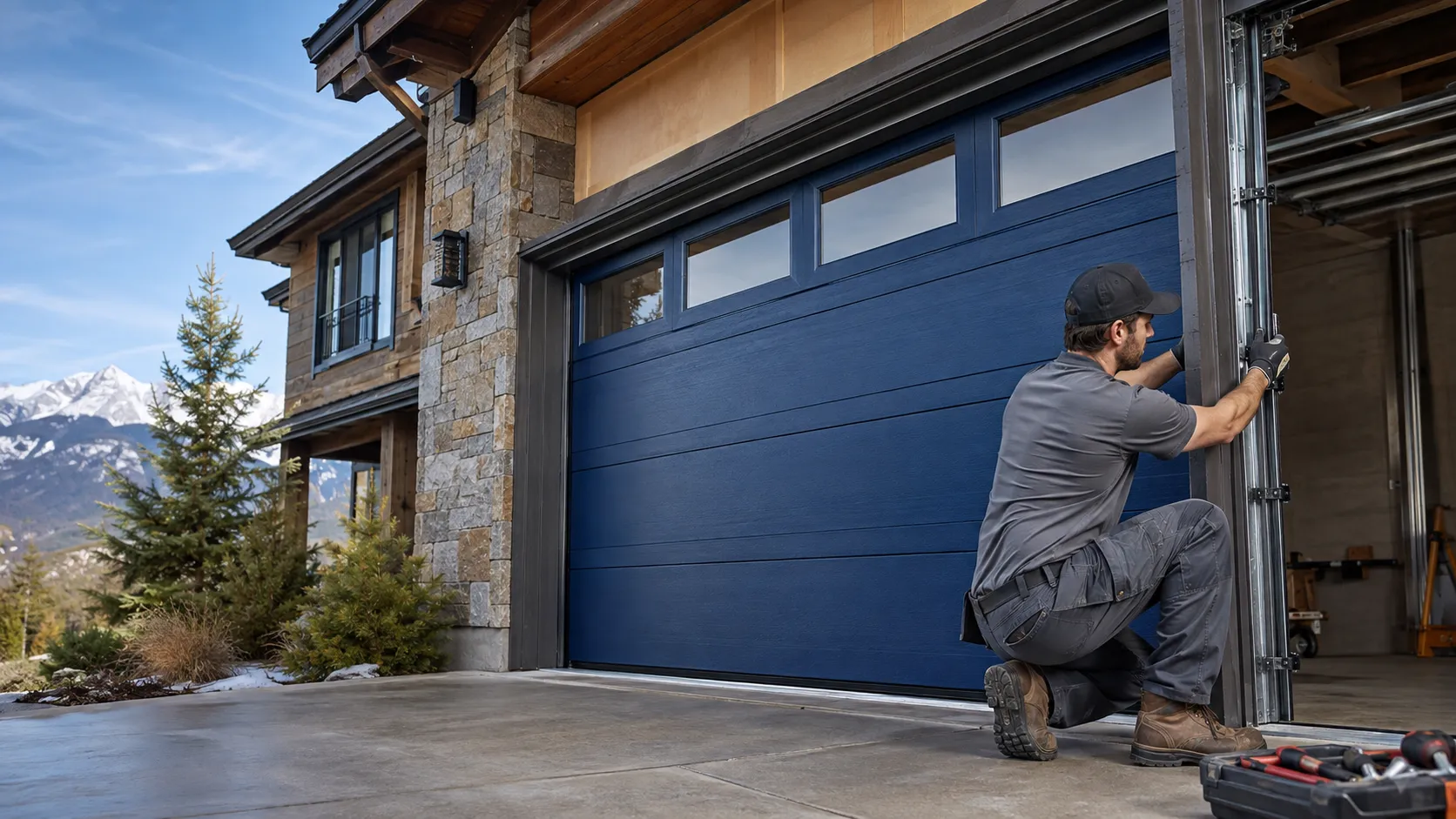
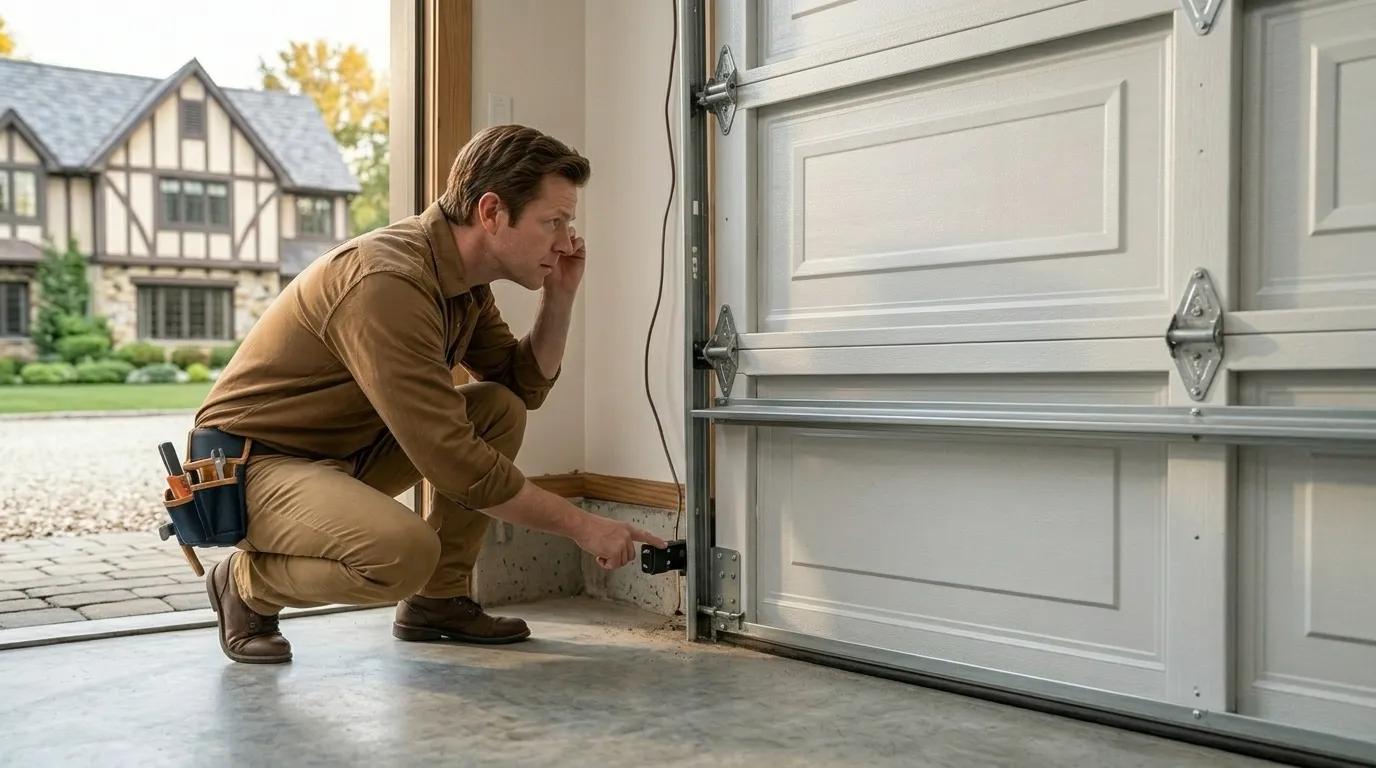
The single most common call out of Grandview is a torsion spring that's given out on a door that's never had one replaced. Doors from the early-to-mid 1970s were built with lighter, hollow-core steel panels and springs sized for that weight - not the heavier insulated panels people sometimes retrofit later, which puts more strain on old torsion bars than they were rated for.
After springs, the next most common job is opener replacement. A chain-drive unit installed alongside a 1973 door has usually been through one or two replacements by now, and gear-and-sprocket wear or a stripped drive gear is a routine failure at this age.
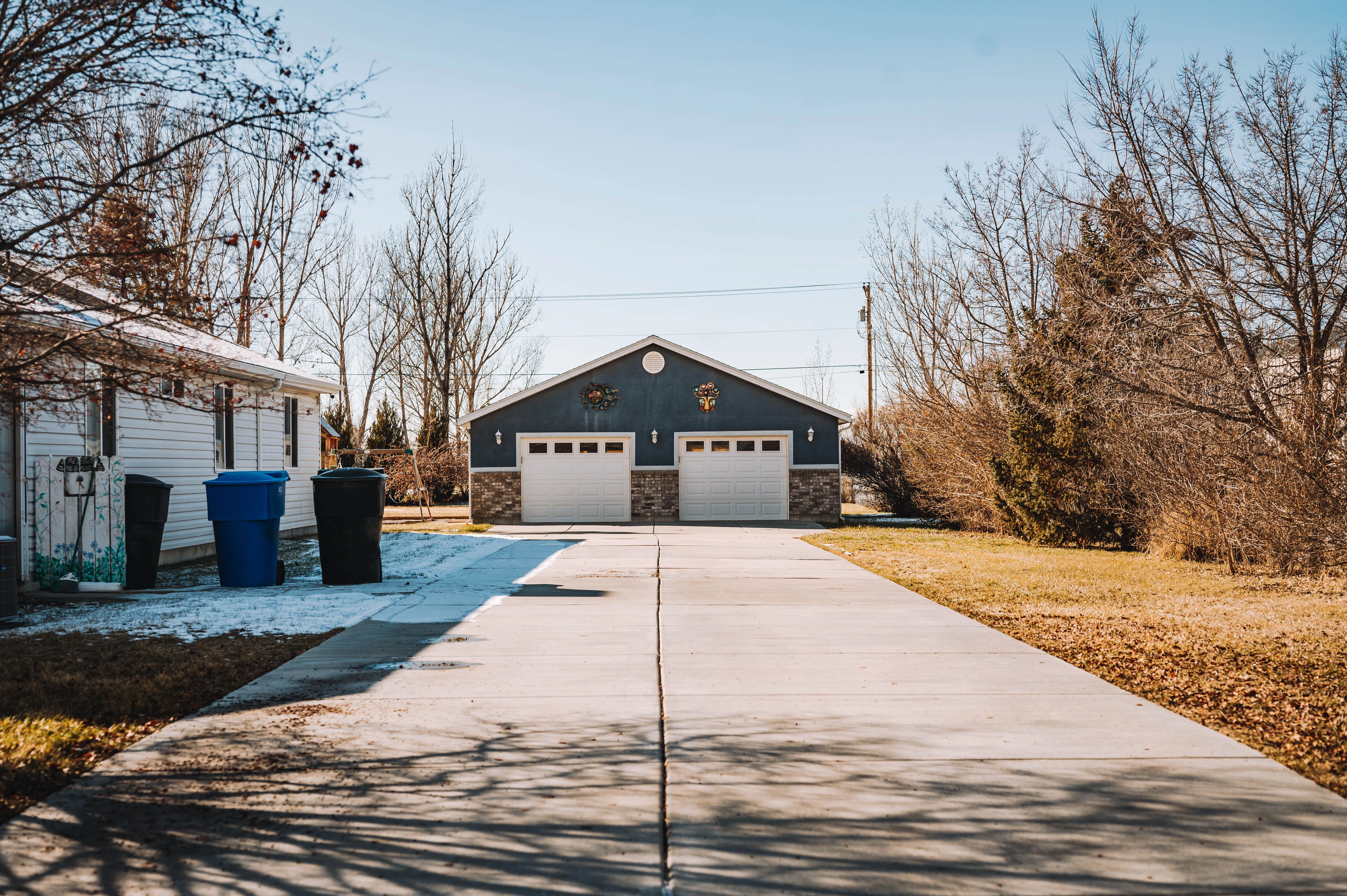
We also see a fair number of track and roller calls - steel rollers on worn track, usually from doors that have sat in place since the original build with no hardware upgrades. None of this is exotic. It's what happens to doors that have been doing their job, unattended, for close to fifty years.
What we find
What That Means for Doors
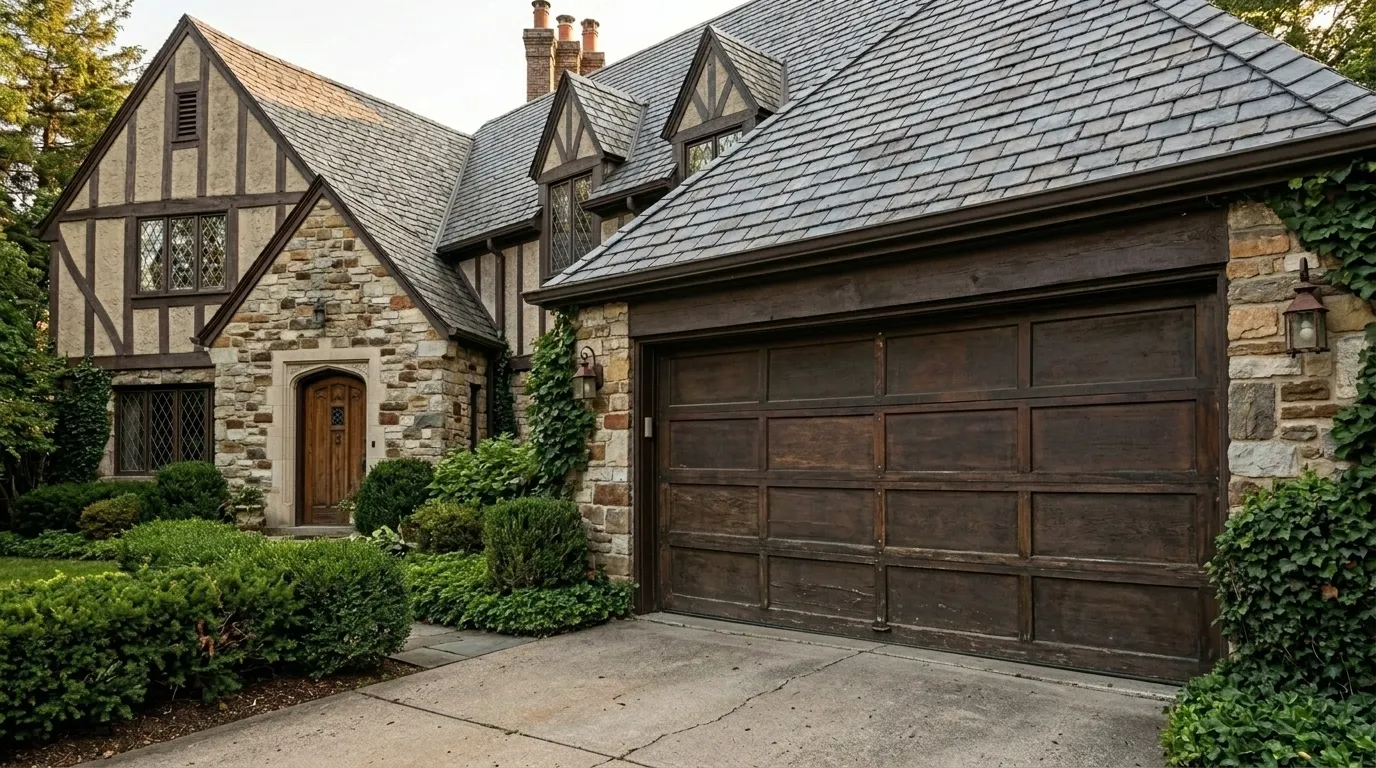
A door built to 1973 spec runs a single torsion spring sized for a lighter panel, side-mounted on standard bracket hardware - not the double-spring, heavier-duty setup you'd find on a door installed in the last fifteen years. When a spring goes on one of these, we're matching wire gauge and wind to a lighter door, not defaulting to a heavier modern spring that would over-tension the shaft.
Openers from this era are almost always chain-drive, and the housings and rail systems have changed enough over the decades that a straight swap-in of a modern belt-drive unit sometimes means new mounting hardware too, not just bolting a new box onto the old bracket.
The cold-moderate climate this area sits in also matters for weatherstripping and bottom seals - springs and openers exposed to seasonal temperature swings for fifty years stiffen and crack faster than the panel itself does, which is often the smaller, cheaper fix that gets missed while someone's staring at a broken spring.
How we work
What We Will Not Take On
We don't take on full structural repair - if the header or jamb around the door opening has rotted or shifted, that's a carpentry job first, and a new door won't sit right until that's fixed by someone else. We also won't force a modern opener onto framing that can't support it; sometimes the honest answer is that the opening needs work before the door does.
On parts, we're upfront that some original 1970s hardware - specific spring winds, certain bracket styles - isn't something every supplier stocks on short notice. If your door needs an exact match rather than a compatible replacement, that can mean a wait, and we'll tell you that up front rather than promise a same-day fix we can't back up.
Given the 16-mile trip out from Blue Springs, we also don't take emergency calls we can't reasonably get to same day - we'd rather be honest about timing than show up late to a spring under tension.
Service areas
Other areas we cover near Grandview
Questions
Common questions
Why are so many Grandview garage doors the same age?
Grandview's housing stock centers on a 1973 median build year, so a large share of the doors and original openers are from that same narrow window. Unlike parts of the broader service area that mix decades, Grandview is more uniform, which is why the same handful of failures - torsion springs, chain-drive openers, worn track - show up over and over on these calls.
Do you have a shop in Grandview?
No. We're based in Blue Springs and drive out to Grandview, about 16 miles each way. We don't claim a local depot or a guaranteed same-day window here - we schedule the trip around the job and tell you honestly what timing looks like before we commit.
Can you match the original spring hardware on an older door?
Often, yes - we size the replacement spring to the door's actual panel weight rather than defaulting to heavier modern stock. Some original 1970s spring winds or bracket styles aren't something every supplier carries on short notice, though, and if yours needs an exact match, that can mean a short wait for parts.
Ready when you are
Need a garage door sorted in Blue Springs?
Blue Springs Garage Door Pros repairs and installs garage doors, springs and openers in Blue Springs, MO and the surrounding area.