
Older Extension Springs
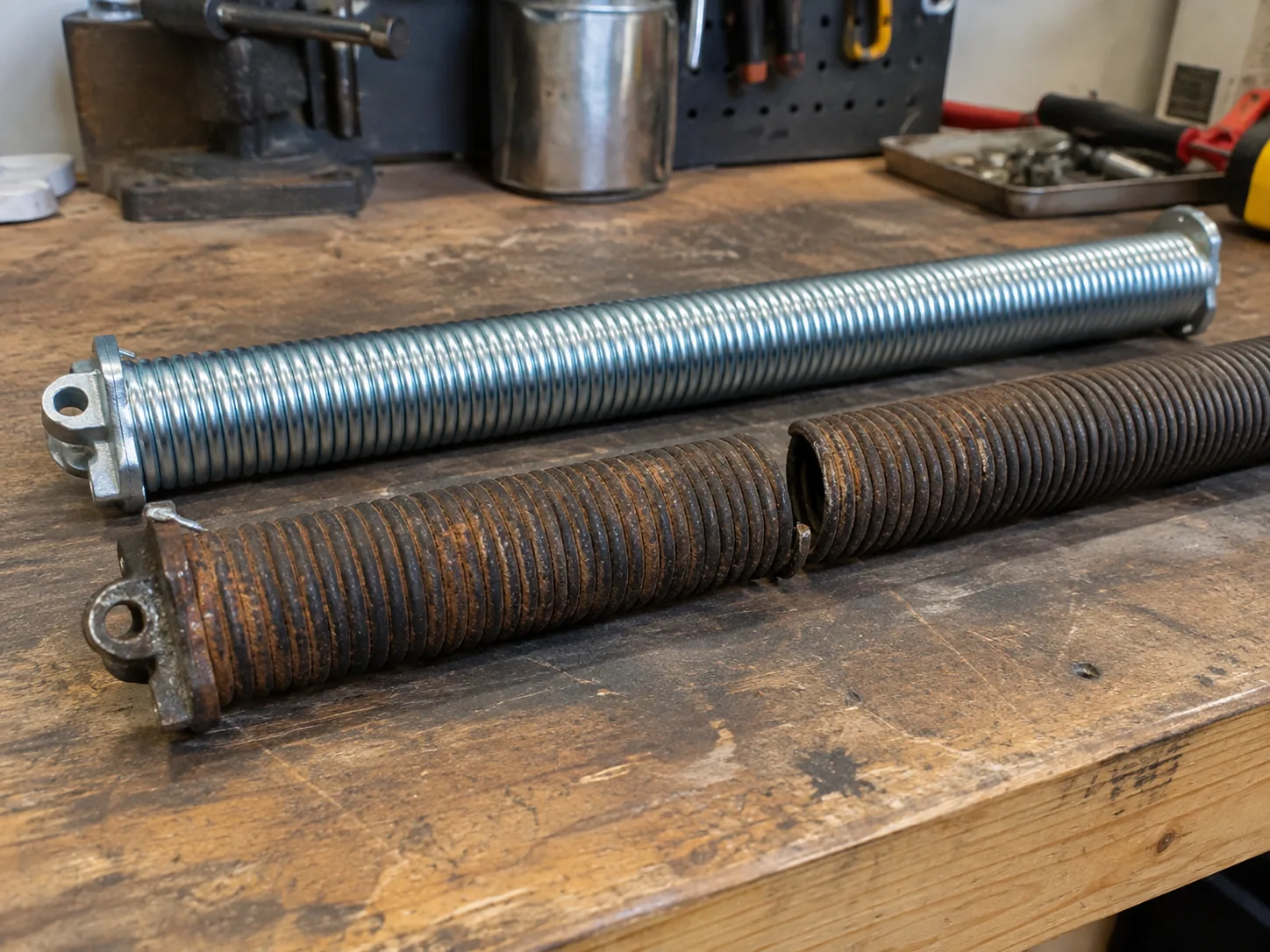
Extension-spring systems are common on some homes from the earlier decades of the local housing stock, and finding matching replacement hardware can take extra sourcing.
Local garage door service · Blue Springs, MO
Garage door repair and installation for Blue Springs homes built mostly between 1951 and 2005, covering commercial garage doors, emergency service, off-track repair, panel replacement, spring repair, and the residential systems common across the area's 1960s- and 70s-heavy housing stock.
Popular Services
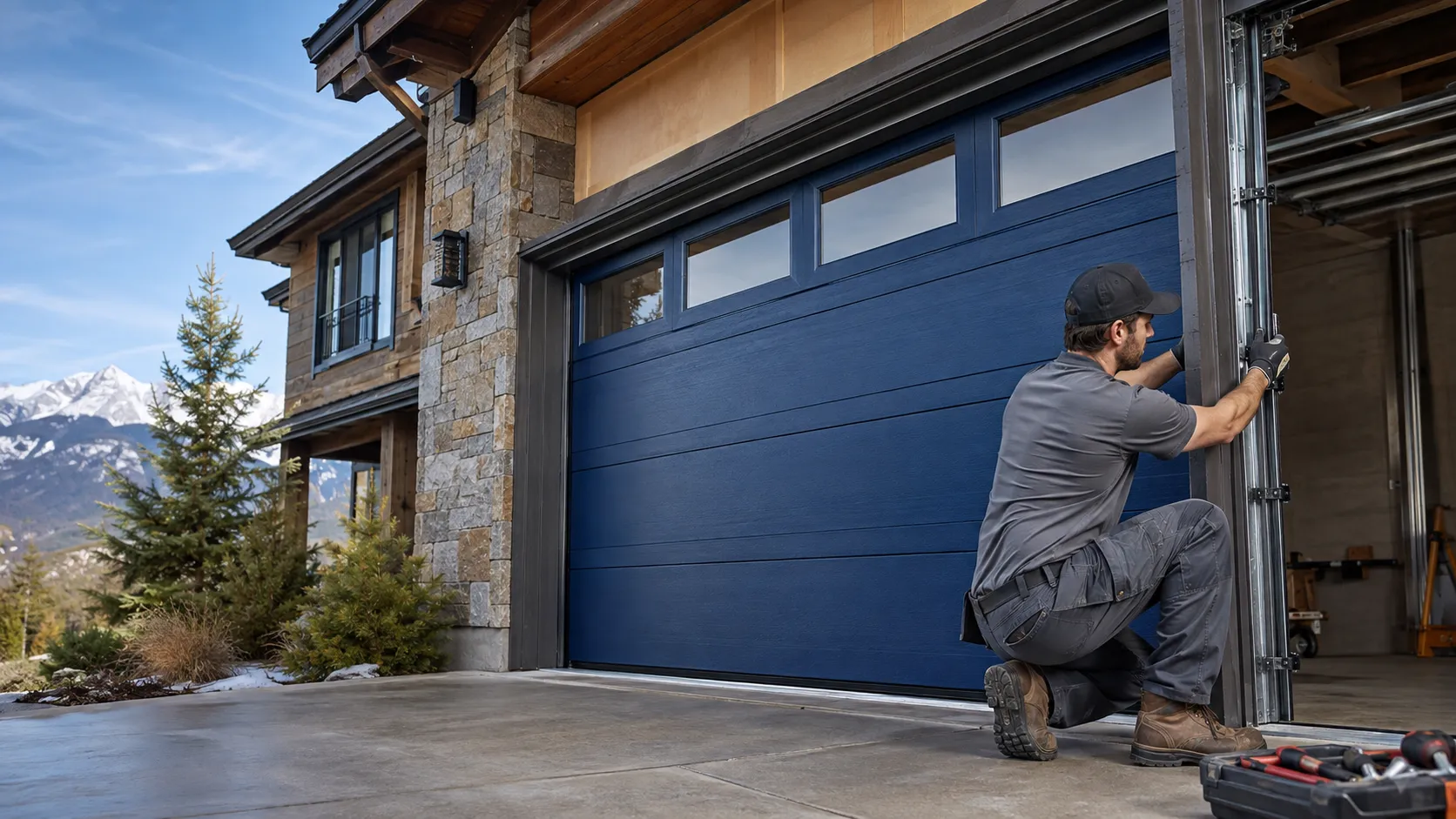
Garage door services
From commercial garage doors and emergency repair to installation, off-track service, panel replacement, spring repair, and general garage door work, the lineup is built around the systems common across Blue Springs' older housing stock.
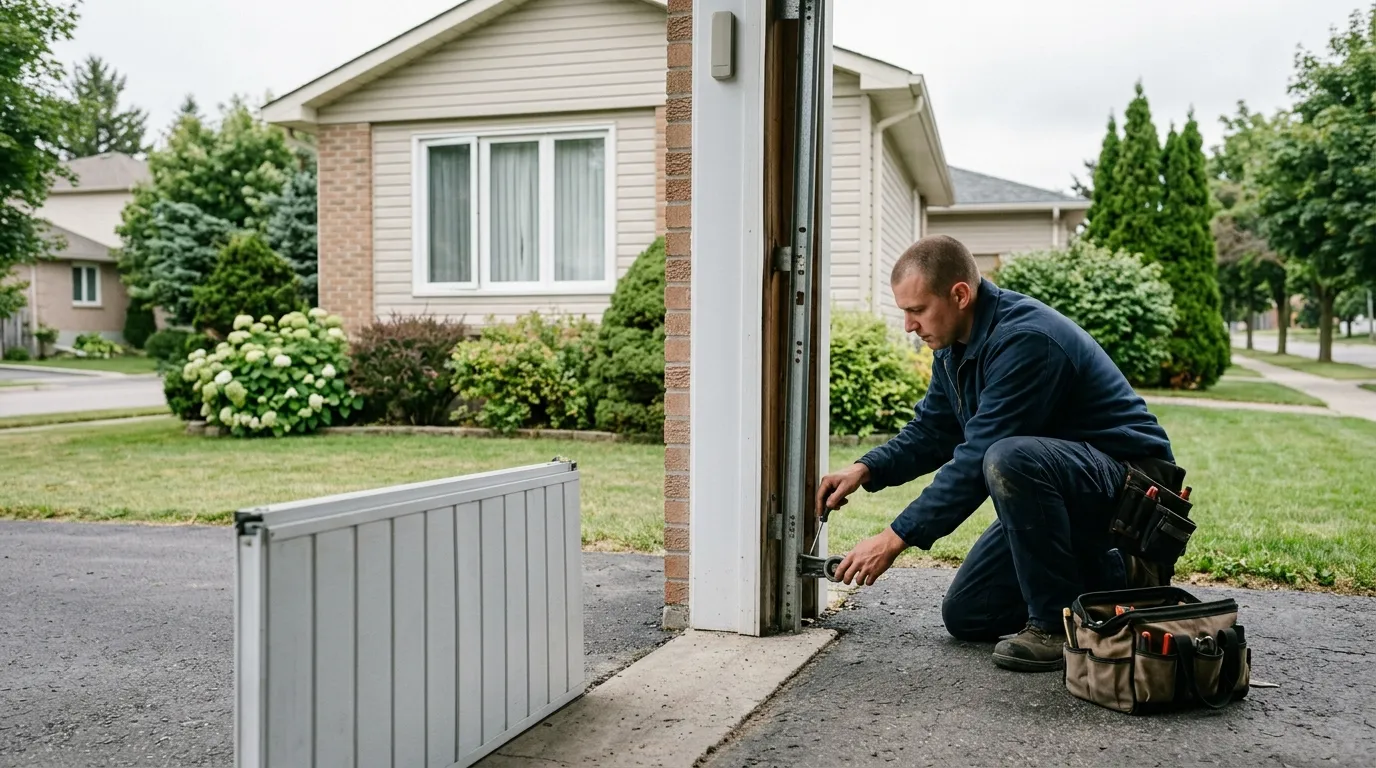
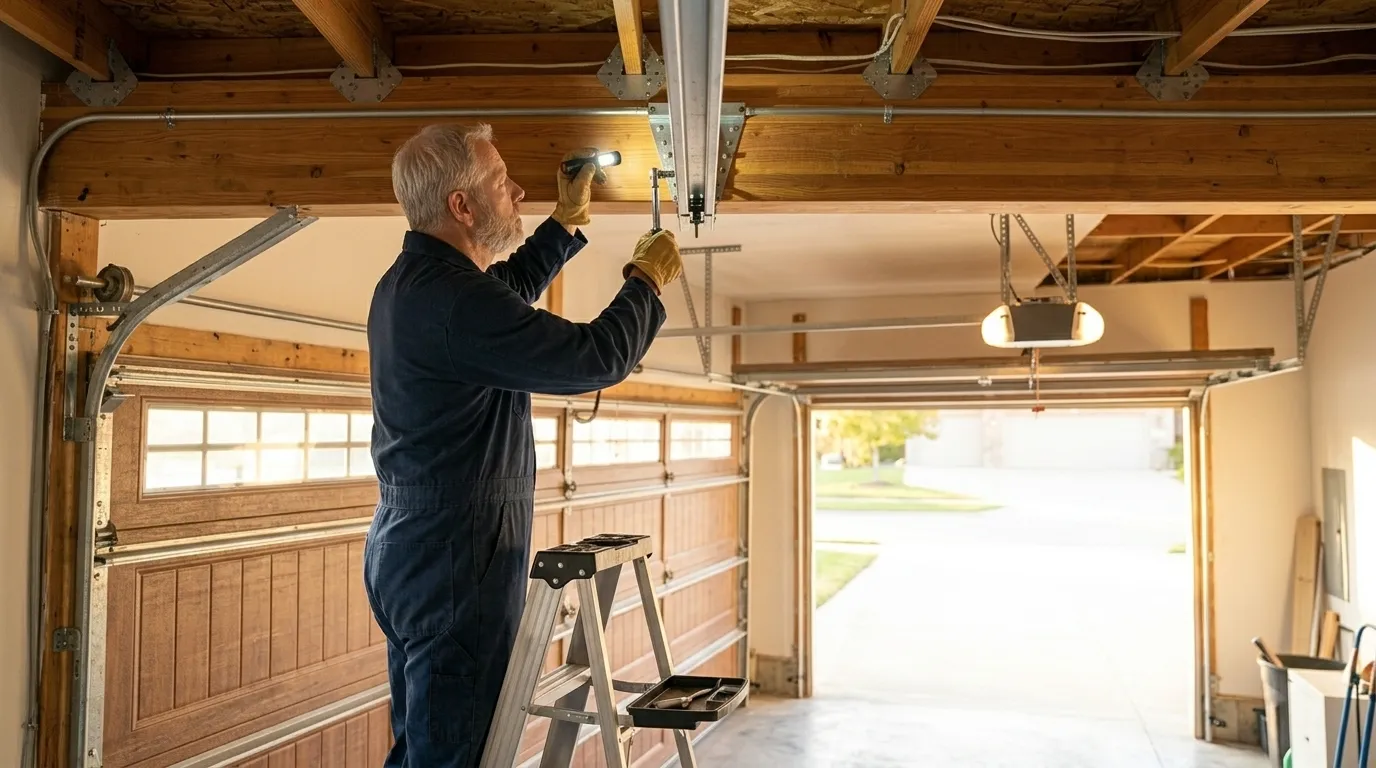
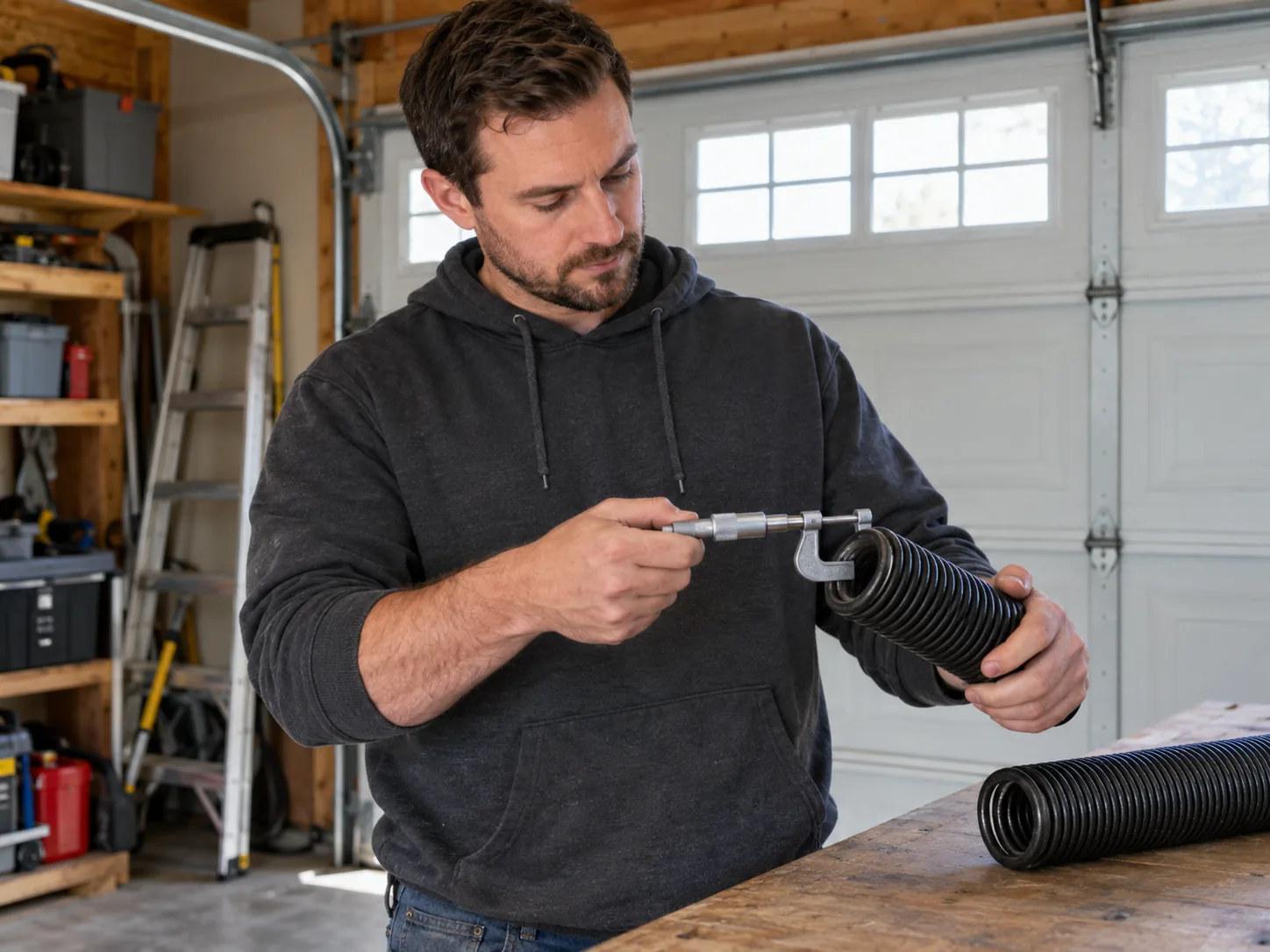
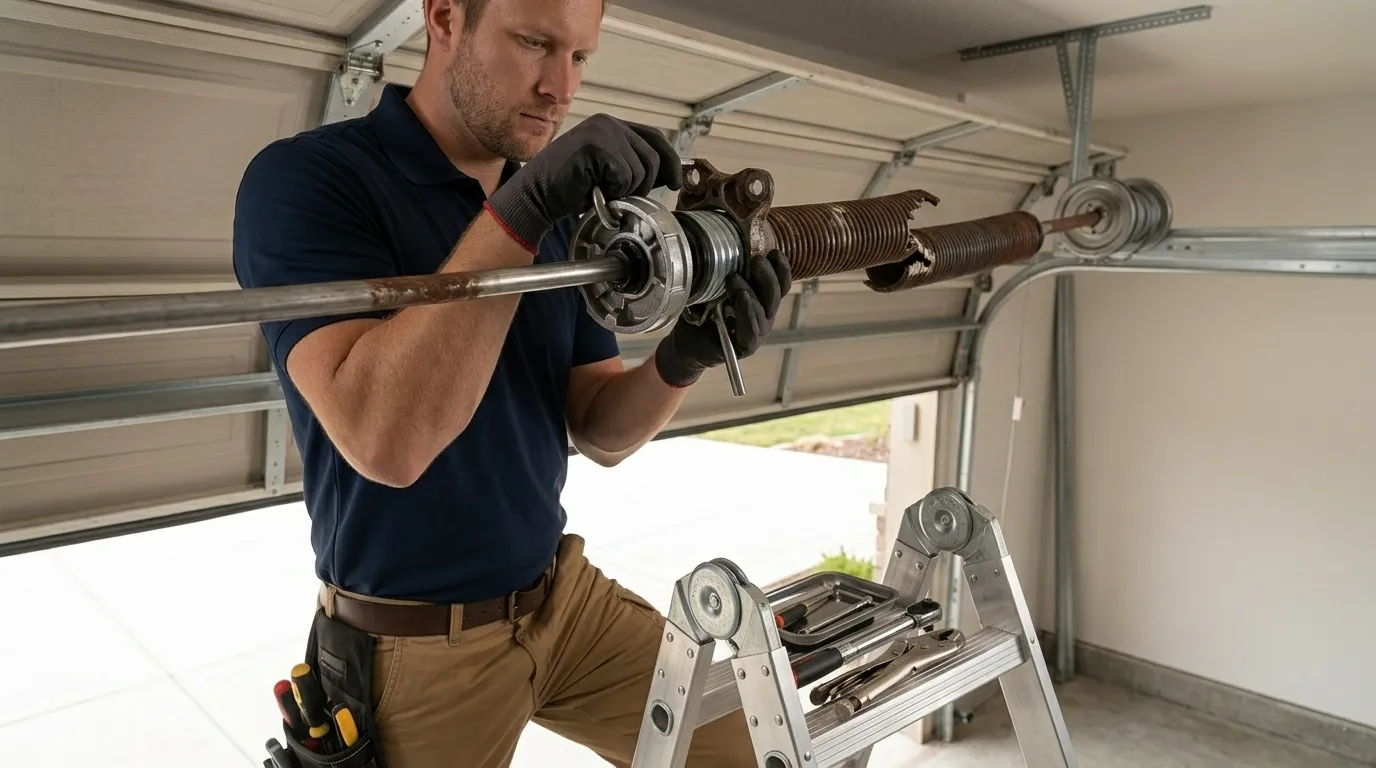
What to expect
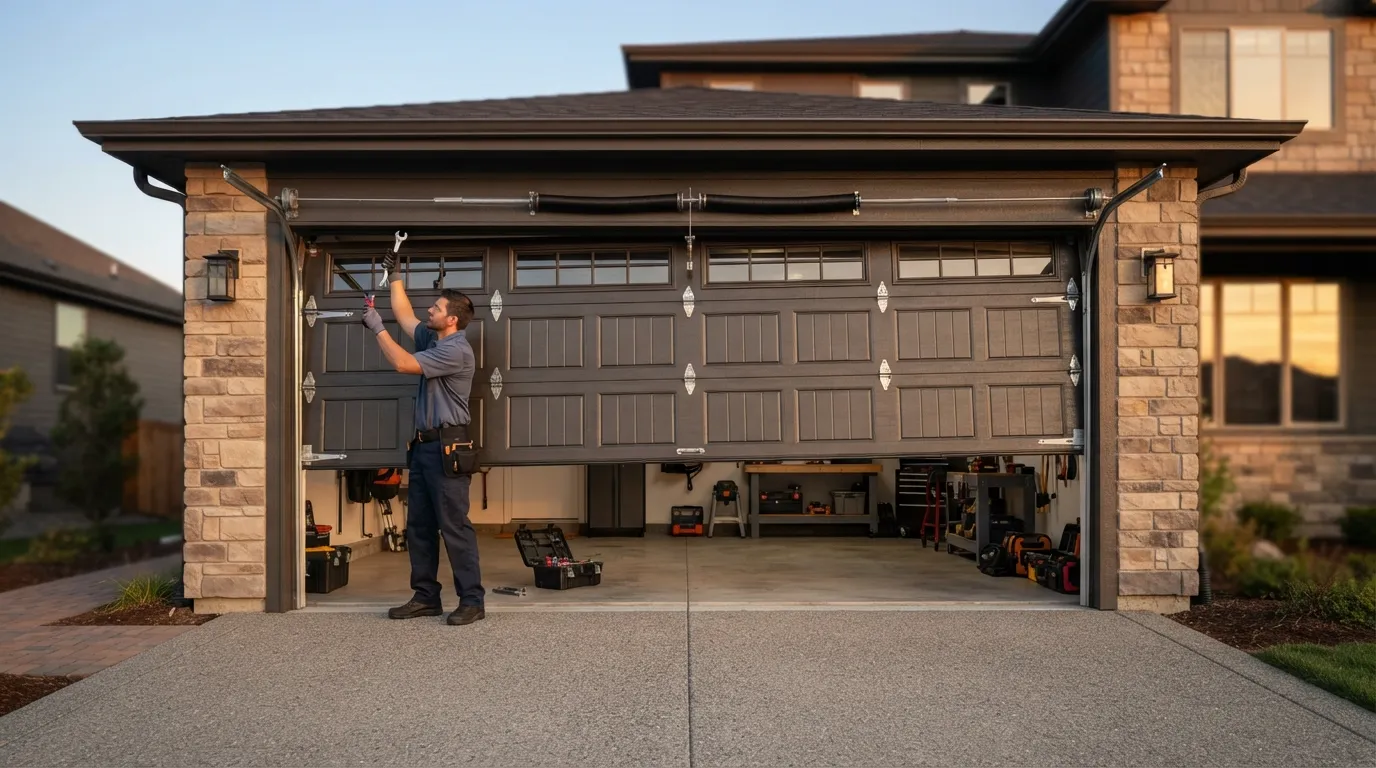
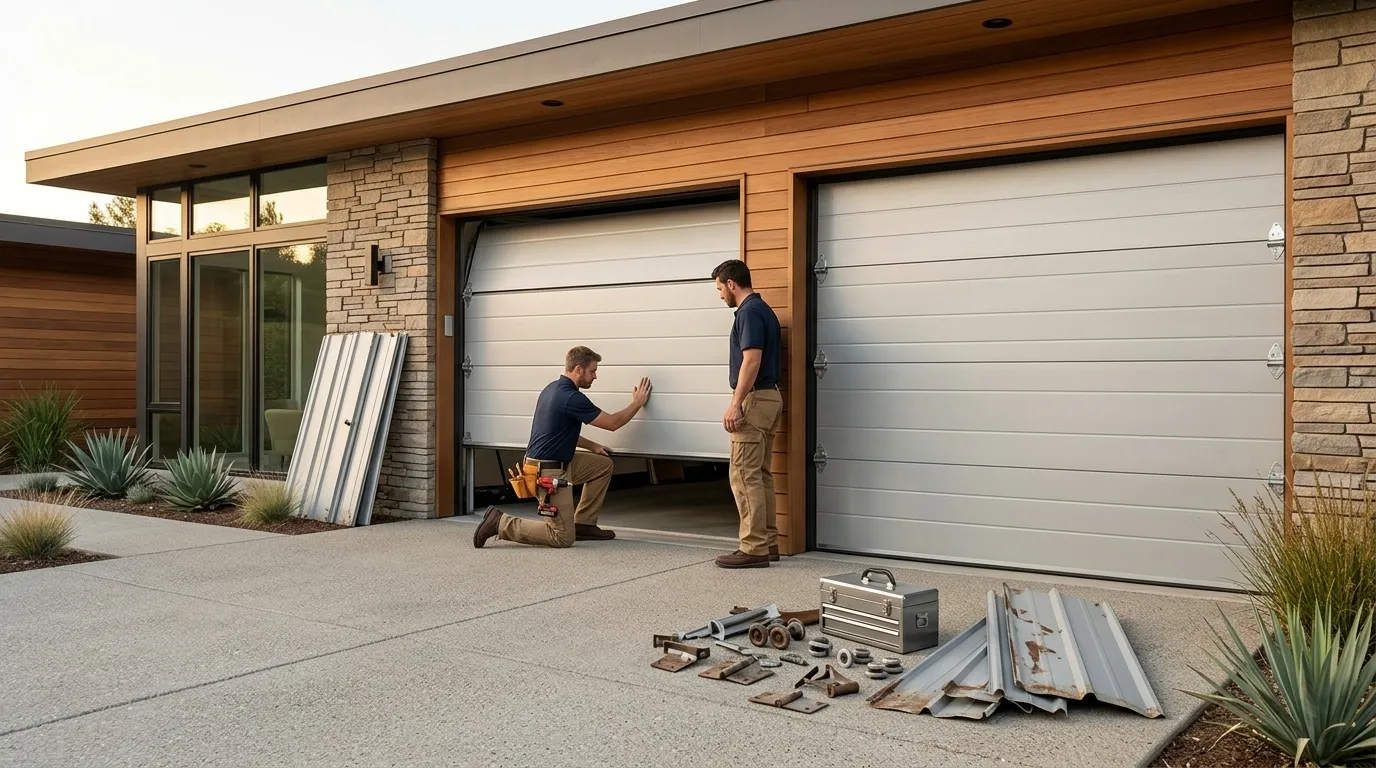
We start with what the door is actually doing, use the age of the house as context for the likely hardware, inspect the whole system, and then explain repair versus replacement rather than patching one part at a time.
Tell us whether the door won't move, made a loud bang, reverses unexpectedly, or the opener runs without moving it. That symptom is the starting point.
The approximate age of the house helps us anticipate older extension-spring systems, newer torsion hardware, opener generations, and track configurations before we arrive.
Spring size, drums, cables, tracks, rollers, opener mounting, sensors, and overall door operation are all checked before we recommend any work.
If an older opener or other component is no longer practical to repair, we explain that instead of continuing to patch an obsolete system.
Some Older Opener Parts May Not Be Practical to Repair
Discontinued circuit boards and other older opener components can make full opener replacement more practical than continued parts sourcing.
Local housing matters
The broader source service area is dominated by homes built between 1951 and 2005, with a median build year around 1974 and much of the housing concentrated in the 1960s and 70s.
That creates a large number of garages with older extension-spring systems, replacement torsion setups, steel tracks, rollers, cables, and opener systems from several generations.
The source references approximately 68,458 households across the broader area, including about 35,651 owner-occupied houses.
Homes toward the 1990s and early 2000s end of the range are more likely to use torsion springs, insulated sectional doors, and newer electronic opener systems.
The build year gives useful context, but the correct repair depends on the hardware actually installed today.
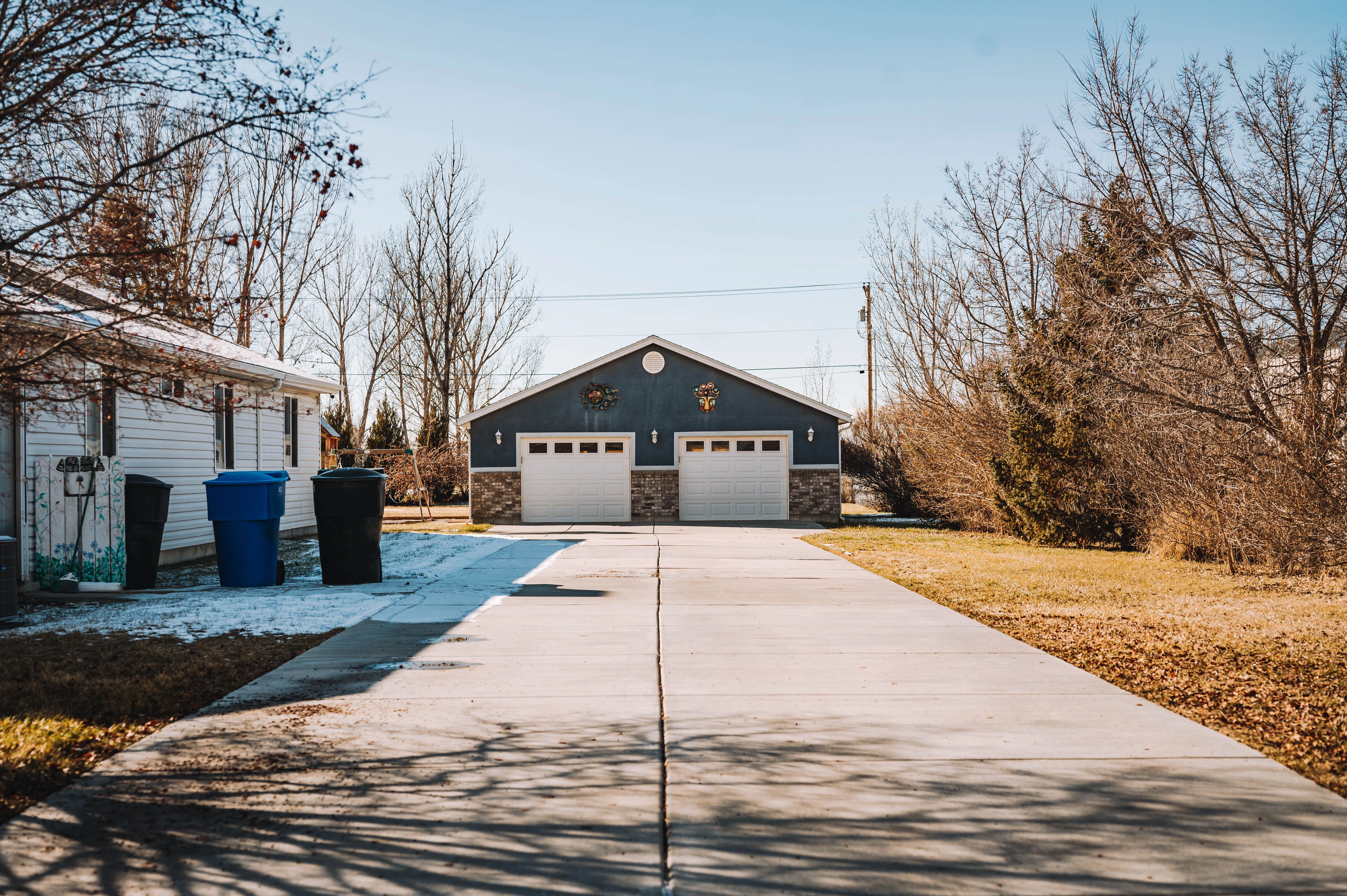
Multiple generations of garage doors
Homes spanning 1951 through 2005 create several generations of springs, tracks, rollers, panels, opener systems, and replacement hardware across the same service area.
Extension-spring systems are common on some homes from the earlier decades of the local housing stock, and finding matching replacement hardware can take extra sourcing.
Later homes are more likely to use torsion springs, which should be matched to the actual weight and configuration of the installed door.
Tracks and rollers can remain in service for decades even after springs, openers, or panels have already been replaced.
Homes toward the later end of the range are more likely to use insulated steel doors and newer electronic opener systems.
Common Blue Springs garage door problems
Broken springs, worn rollers, track problems, opener failures, damaged brackets, and sensor issues make up much of the work across Blue Springs' mixed-age housing stock. Broken springs are a recurring need on homes built during the 1960s and 70s; rollers wear after decades of track travel while alignment drifts as older systems accumulate normal use and structural movement; older openers develop logic-board, motor, gear, or drive-system failures; and bottom brackets and panels take impact damage — so the correct repair depends on inspecting the complete system instead of assuming every symptom has the same cause.
Garage door springs eventually reach the end of their useful cycle life after years of repeated opening and closing.
Older rollers can become noisy, rough, cracked, or resistant after years of regular track travel.
Impact, loosened mounting points, worn rollers, or long-term movement can leave tracks out of alignment.
Older opener motors, gears, logic boards, controls, and drive systems can eventually develop operating problems.
Impact can damage lower brackets or panels and affect the way the door travels through its tracks.
Cold-weather garage door wear
Blue Springs sits in a cold-moderate climate band, so winter conditions tend to expose existing spring, roller, seal, track, and opener problems rather than temperature alone causing failure.
Cold-weather operation can expose weakness in a spring that is already approaching the end of its useful cycle life.
Worn rollers can make an older garage door move less smoothly when the overall system is already operating with added resistance.
Older seals can harden, crack, or lose effectiveness after years of seasonal exposure.
An aging opener can work harder when springs, rollers, tracks, or balance problems are already making the door difficult to move.
Clear repair guidance
There isn't one flat repair price, because spring work, opener problems, track repairs, panel damage, and other jobs vary with the installed system.
Spring size, cable condition, roller wear, track alignment, opener age, panel condition, and whether several components are failing together can all change the scope.
Median household income across the broader service area runs around $71,881, but the price still comes from the door in front of us.
We size hardware to the actual door rather than relying on a generic chart or a sight-unseen quote.
When an older opener is repeatedly failing, replacement can sometimes offer better long-term value than continuing to repair obsolete components.
Repair or replace?
A broken spring, panel, roller, track, or isolated opener component does not automatically mean the complete garage door needs replacement. Replacement becomes more practical when several aging components or an obsolete opener are failing together.
A targeted repair can make sense when the door, panels, tracks, rollers, opener, and surrounding structure remain serviceable.
When older extension-spring hardware is difficult to source or several components are worn together, a broader system update may be more practical.
Replacement can make more sense when a decades-old opener has obsolete electronics or repeated major failures.
If the structure remains solid and one component is the actual failure, complete door replacement isn't the default.
Built around Blue Springs garage doors
The right repair depends on the springs, cables, rollers, tracks, opener, panels, sensors, and previous changes actually installed on the garage door today.
Older extension- or torsion-spring systems should be inspected directly rather than assumed from the age of the house.
A reversing door, noisy opener, or uneven movement can have several possible causes that each need a different repair.
The primary expertise is residential garage doors, springs, openers, tracks, and related hardware.
Commercial service stays limited to supported garage door systems rather than specialty rolling-steel or fabrication work.

Service areas
Questions
If your house was built in the 1960s or 70s and still has its original extension-spring system, we usually recommend upgrading to torsion hardware when a spring goes, rather than replacing a spring you can't buy easily anymore. Houses from the 90s or later with torsion setups usually just need the failed part swapped.
This area sits in a cold-moderate climate band, so metal contracts and lubricant stiffens every winter. A spring that's already fatigued from years of daily cycling is more likely to fail on a cold morning than in warmer months, which is why winter call volume for broken springs runs higher.
Yes. We cover the surrounding named areas as well, including Grain Valley, Lake Lotawana, Oak Grove, Unity Village, Buckner, and the other towns in that ring, so the truck dispatched to you has usually already worked a similar door nearby that week.
We can give you a general idea based on what you describe - a broken spring versus a bad opener board are very different jobs - but we quote the final number once we've seen the actual door, spring size, and track condition in person.
Ready when you are
Tell us what the door is doing and we'll help you figure out whether you're dealing with a spring, panel, roller, track, off-track door, opener problem, emergency issue, or an aging system that's reached the point where replacement makes more sense.