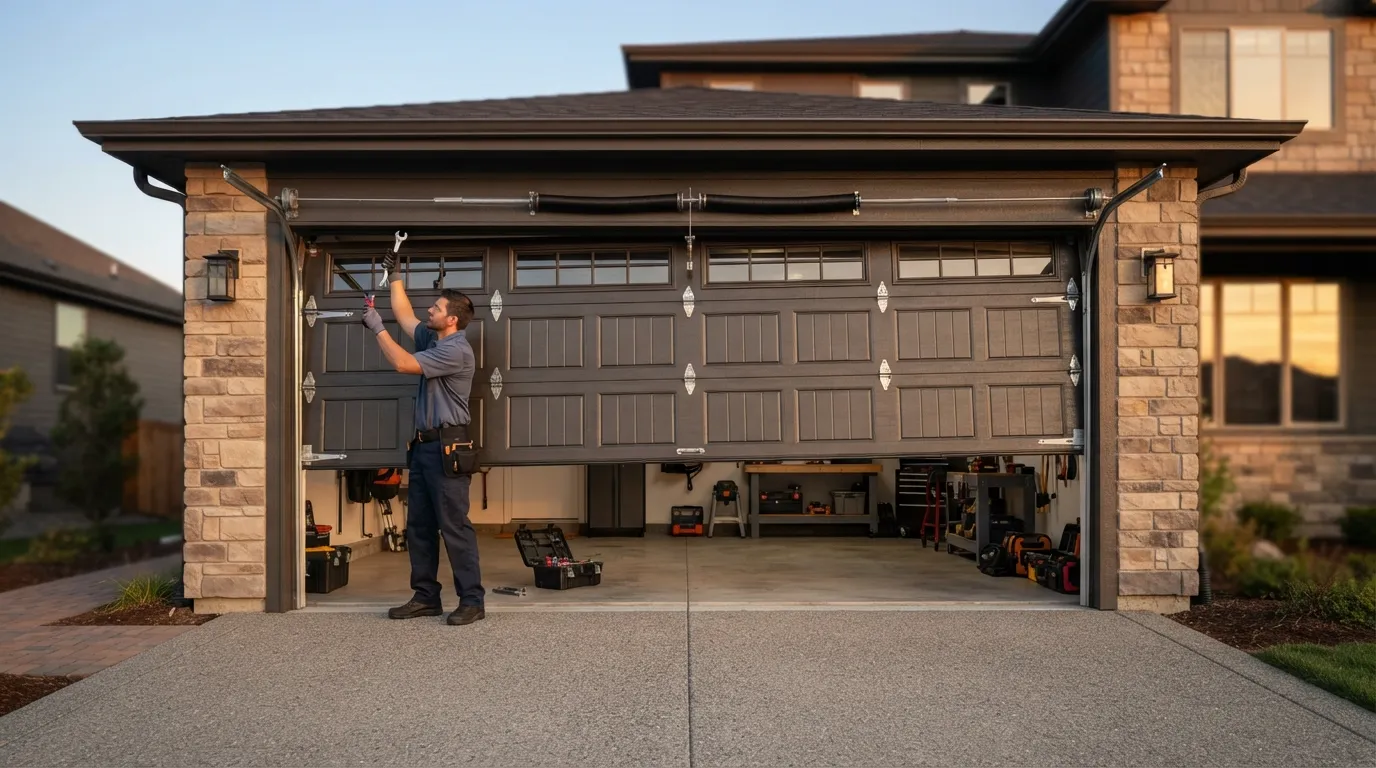
This isn't a generic wear-and-tear story - it's specific to what's on the ground here. With median household income at $71,881 and 35,651 owner-occupied houses among 68,458 households across the service area, a lot of these are original doors that have never been swapped, on houses whose median build year is 1974. That's fifty-plus years of a cold-moderate climate working on the same steel or aluminum skins.
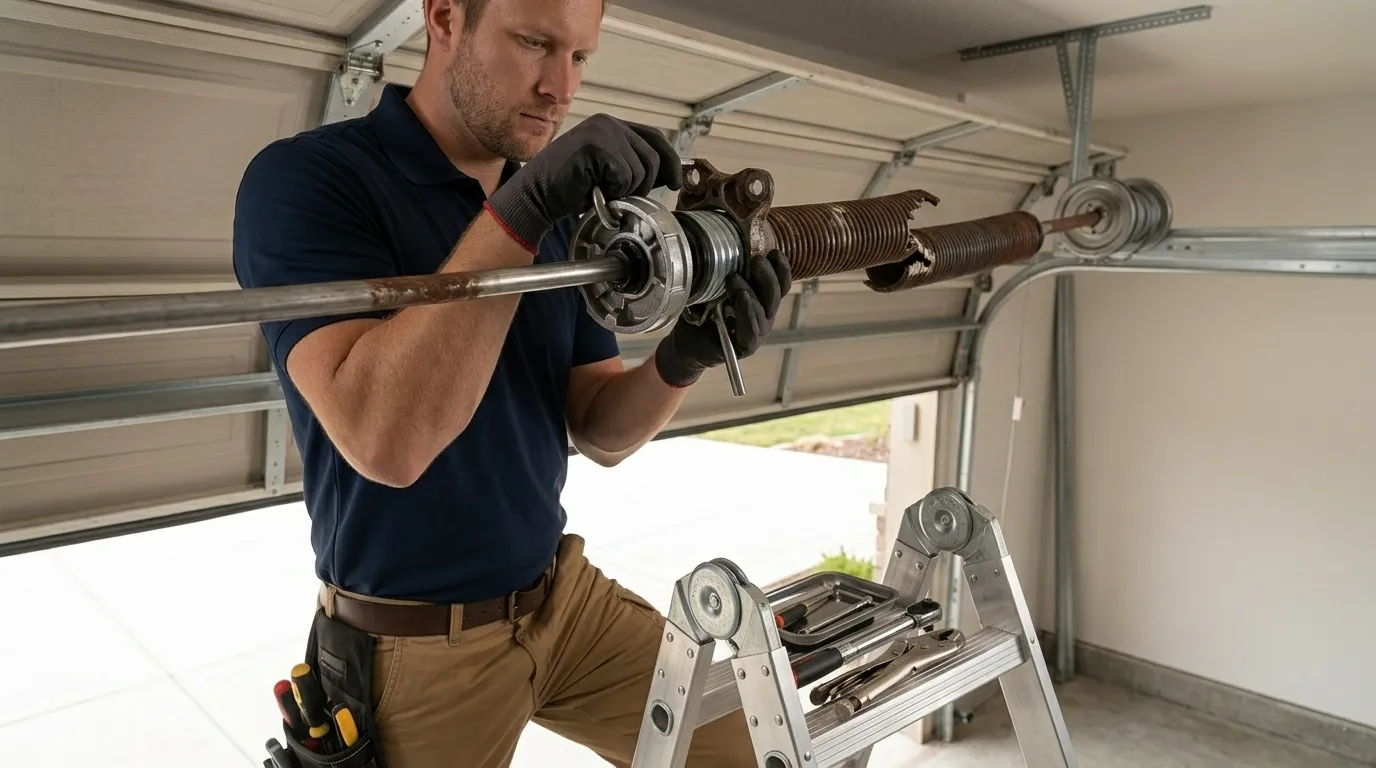
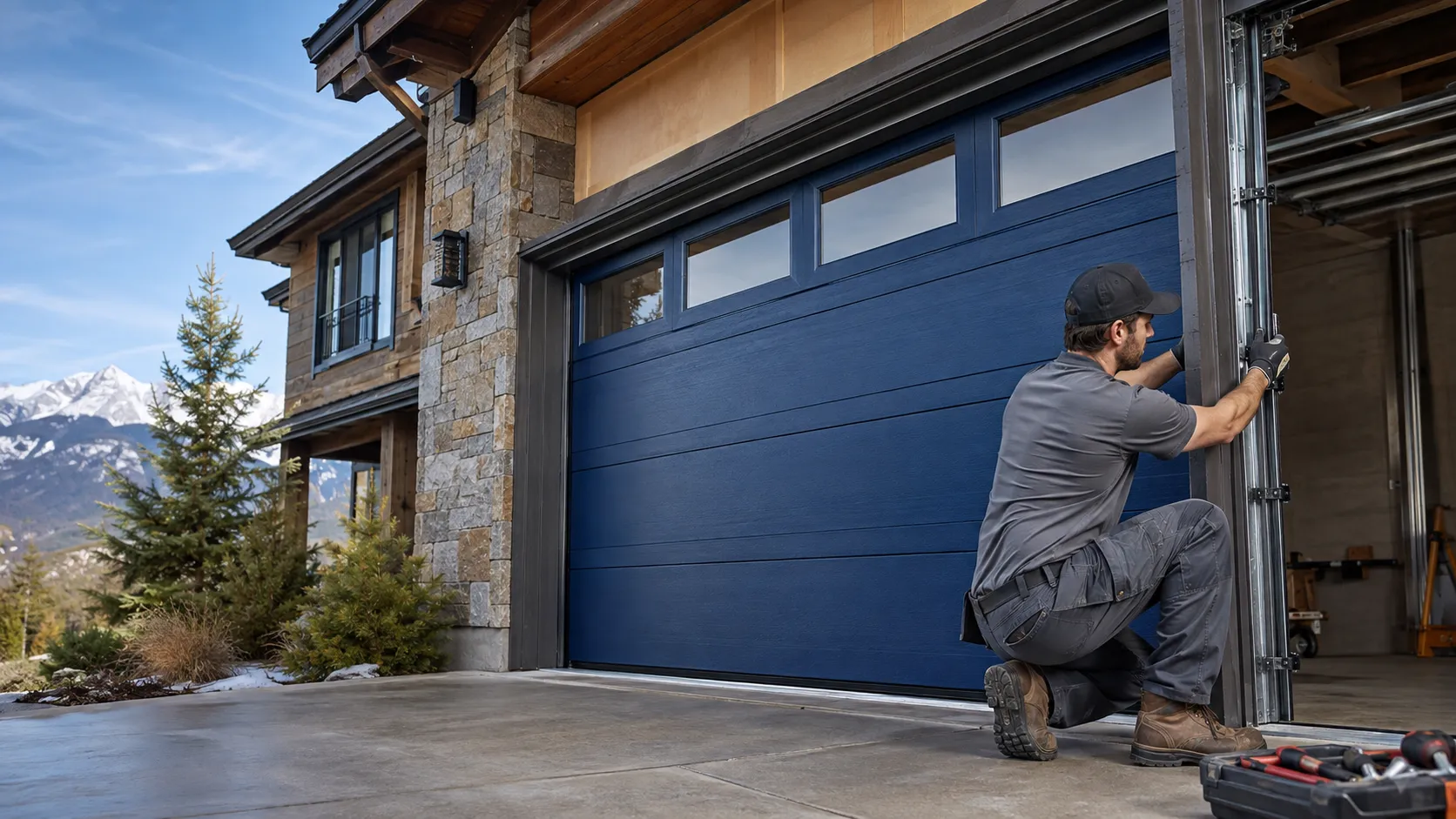
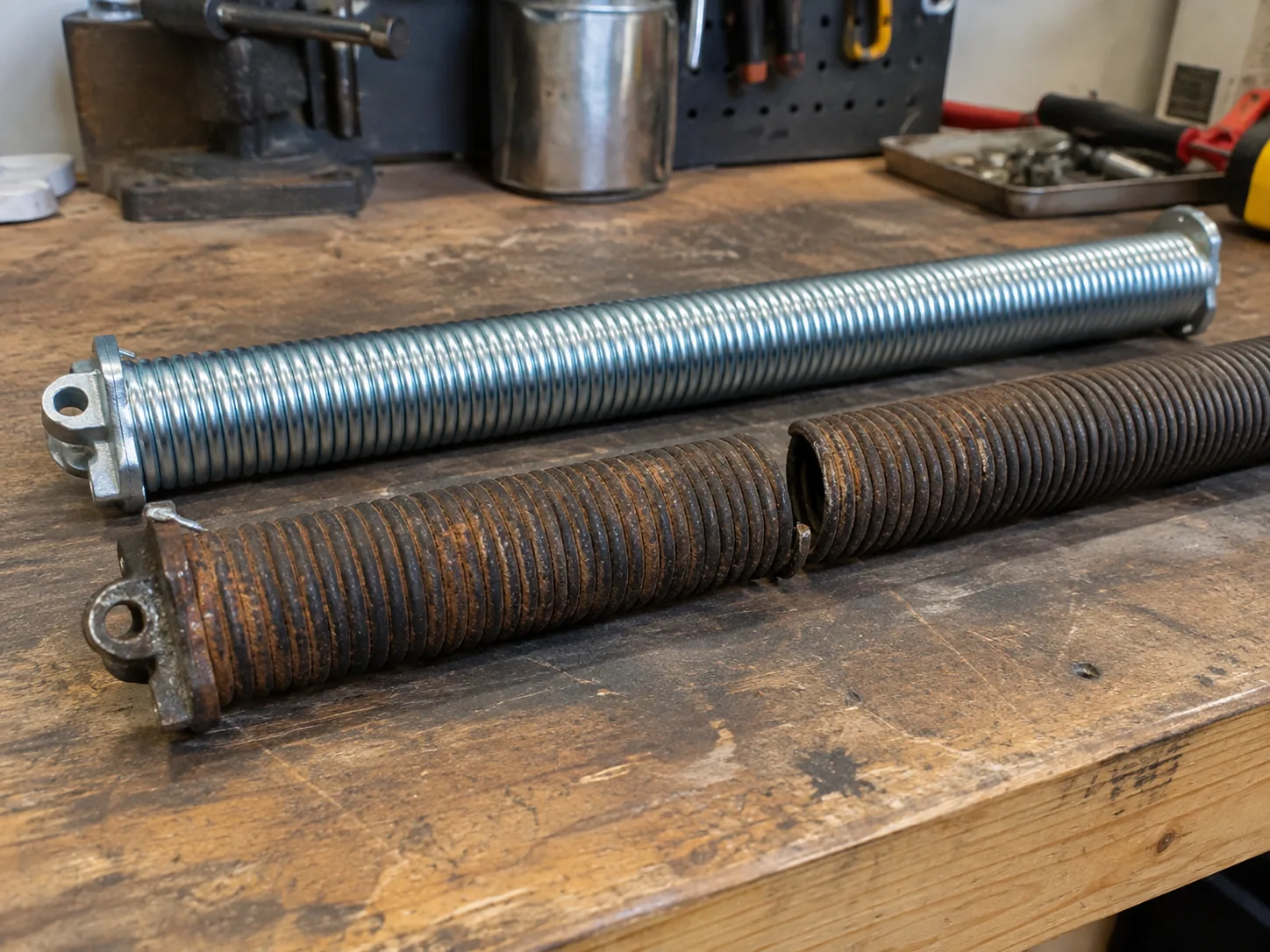
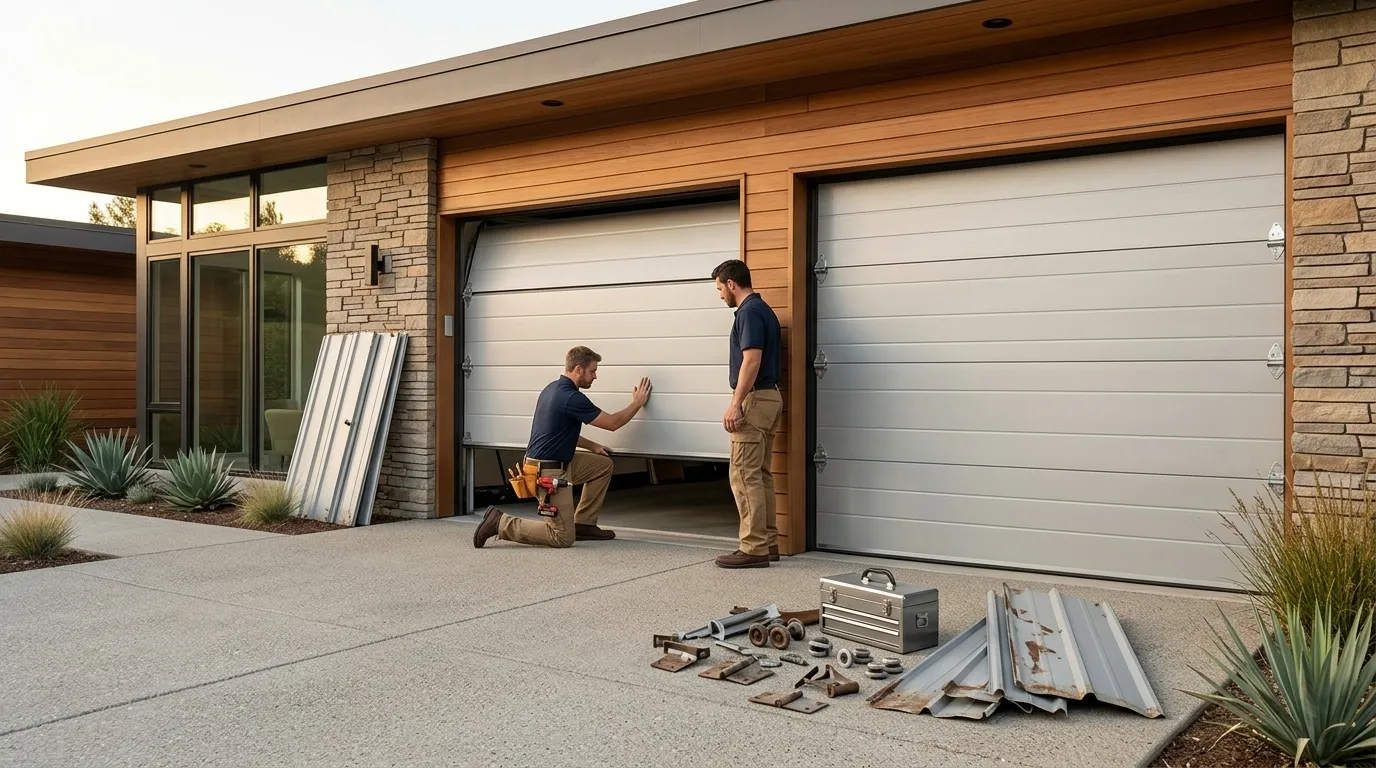
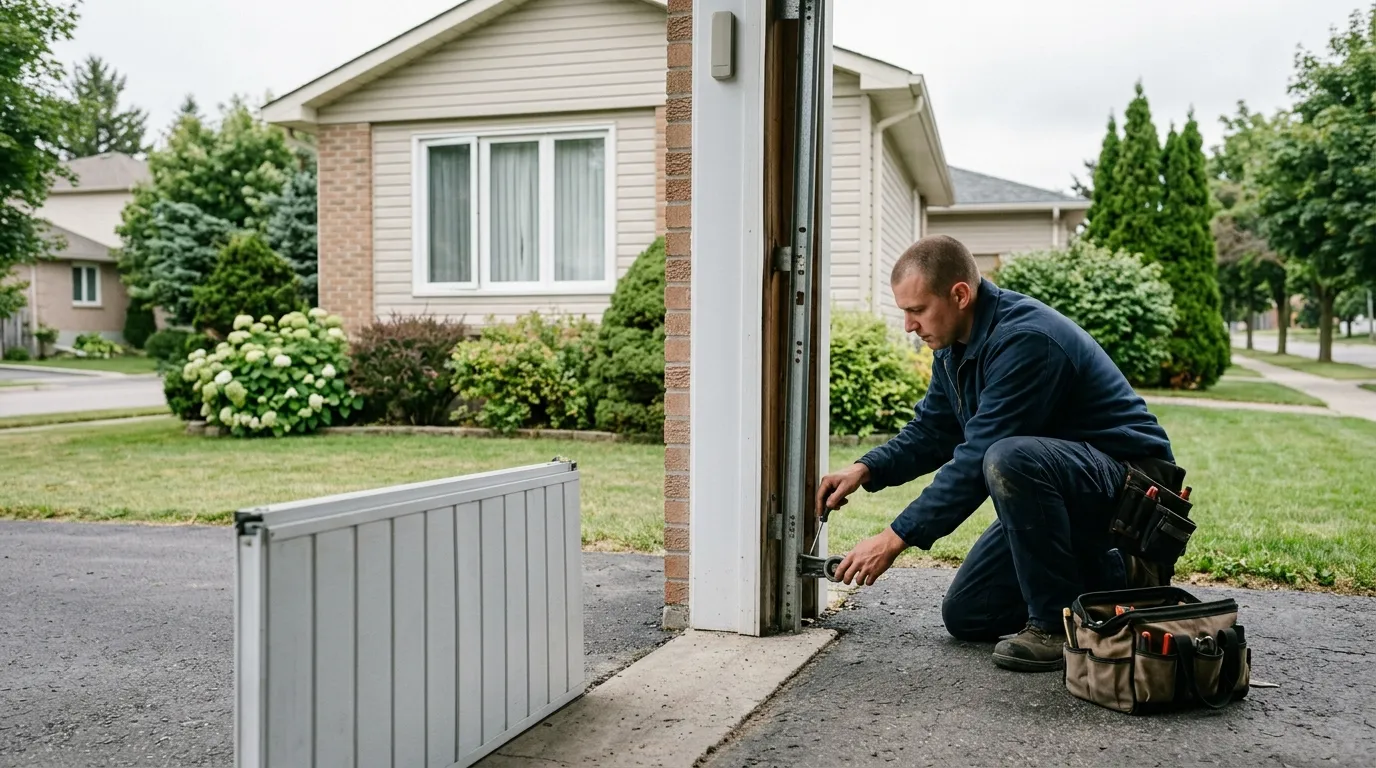
The failure pattern follows the housing stock: 1960s and 70s tract-built sections with thinner gauge steel than what's sold today, installed before manufacturers standardized panel heights the way they do now. When one of those panels finally gives out - from a dent, from rust, from a winter freeze cycle prying the seams apart - the replacement isn't a same-day catalog order. It's a search for a matching discontinued profile, or a decision to move to a full door.
We won't pretend every panel job is simple here. On the oldest doors in this range, we sometimes have to tell a homeowner the honest math: a custom-matched panel costs close to what a new door section run would, and at that point replacing the whole door makes more sense than chasing one part.