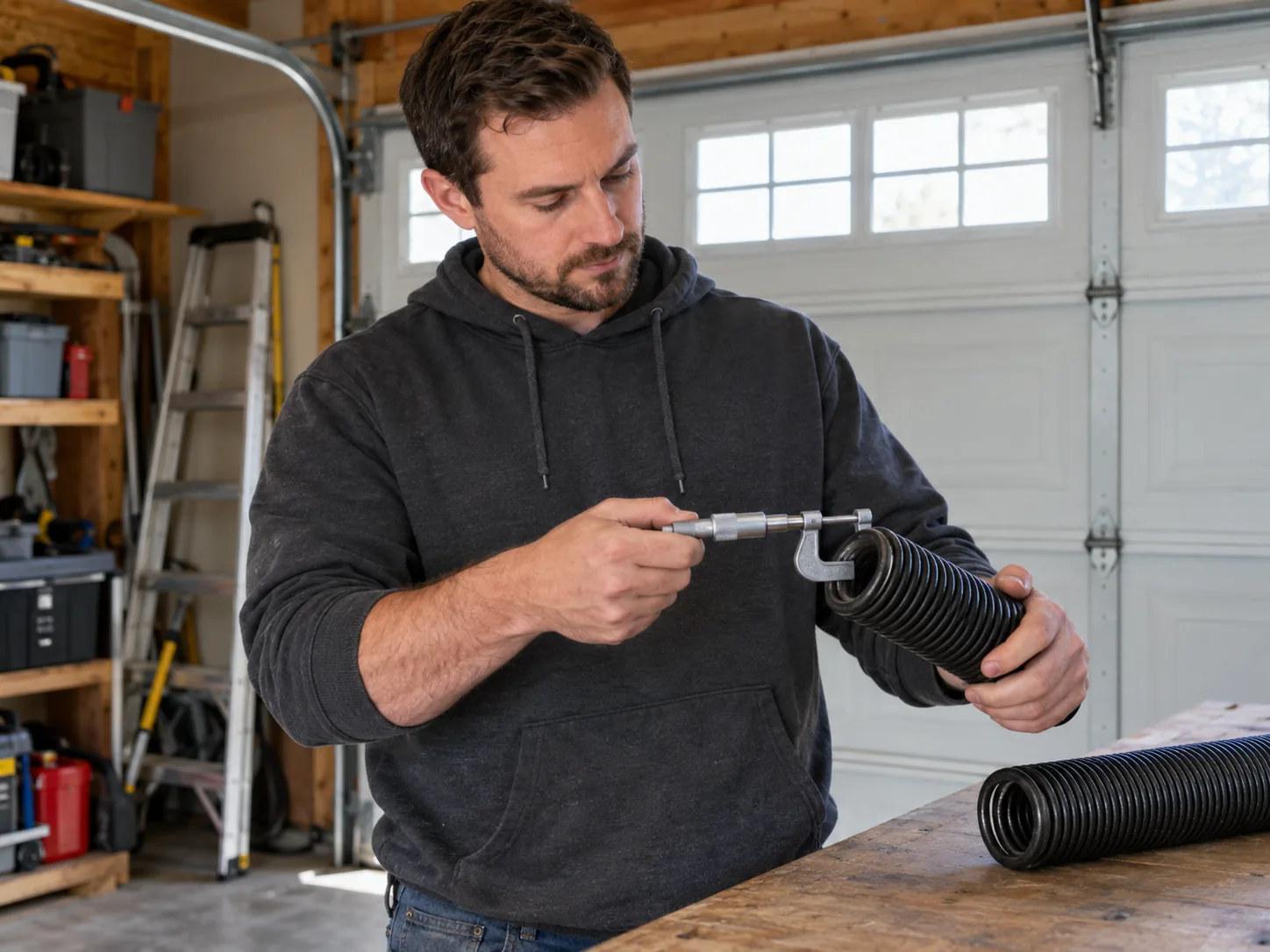
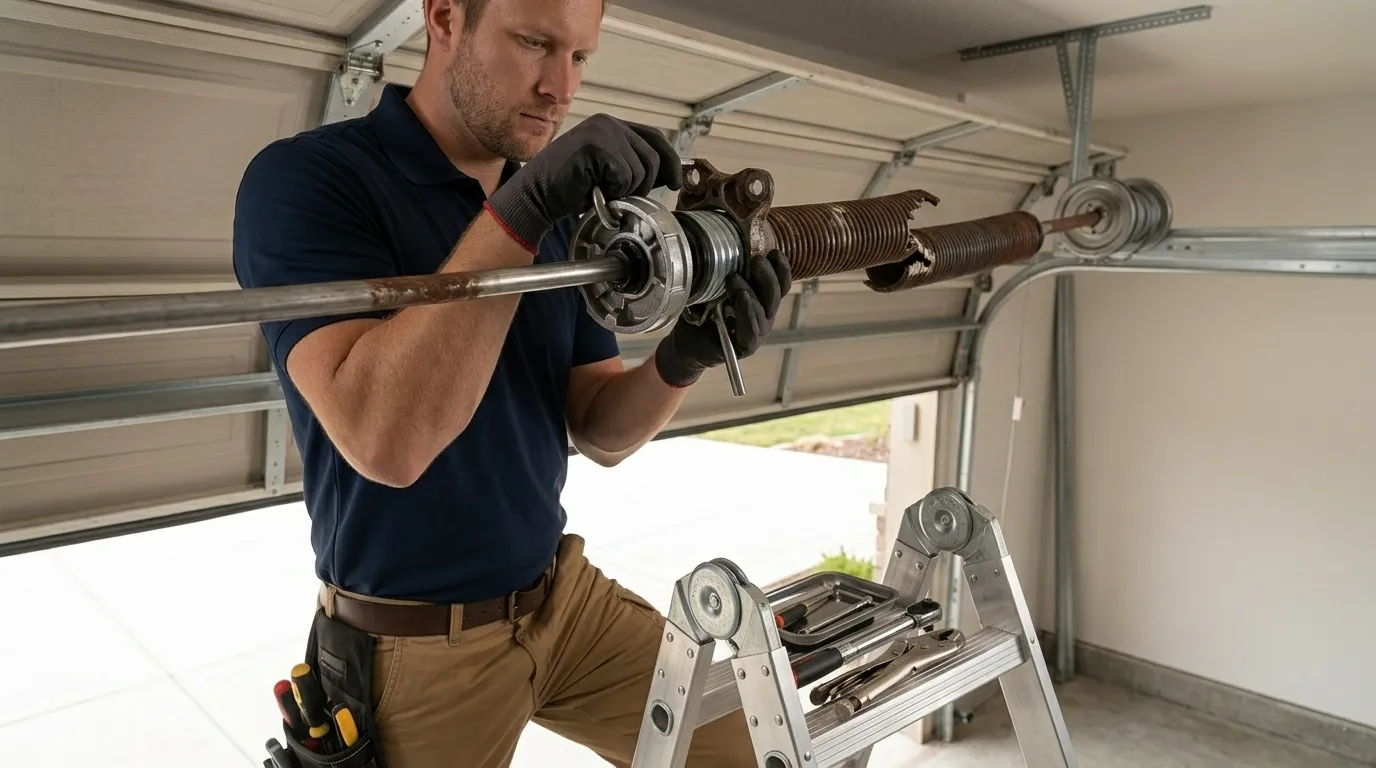
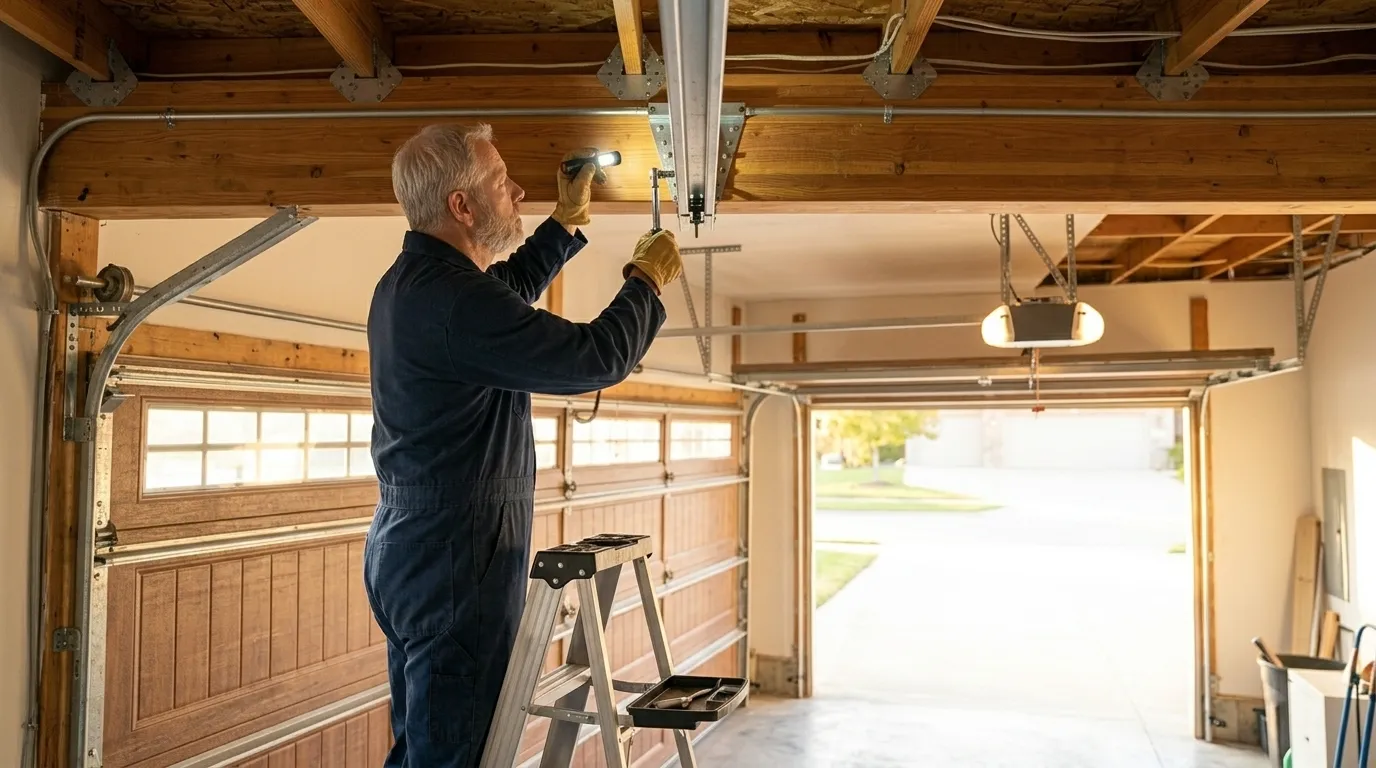
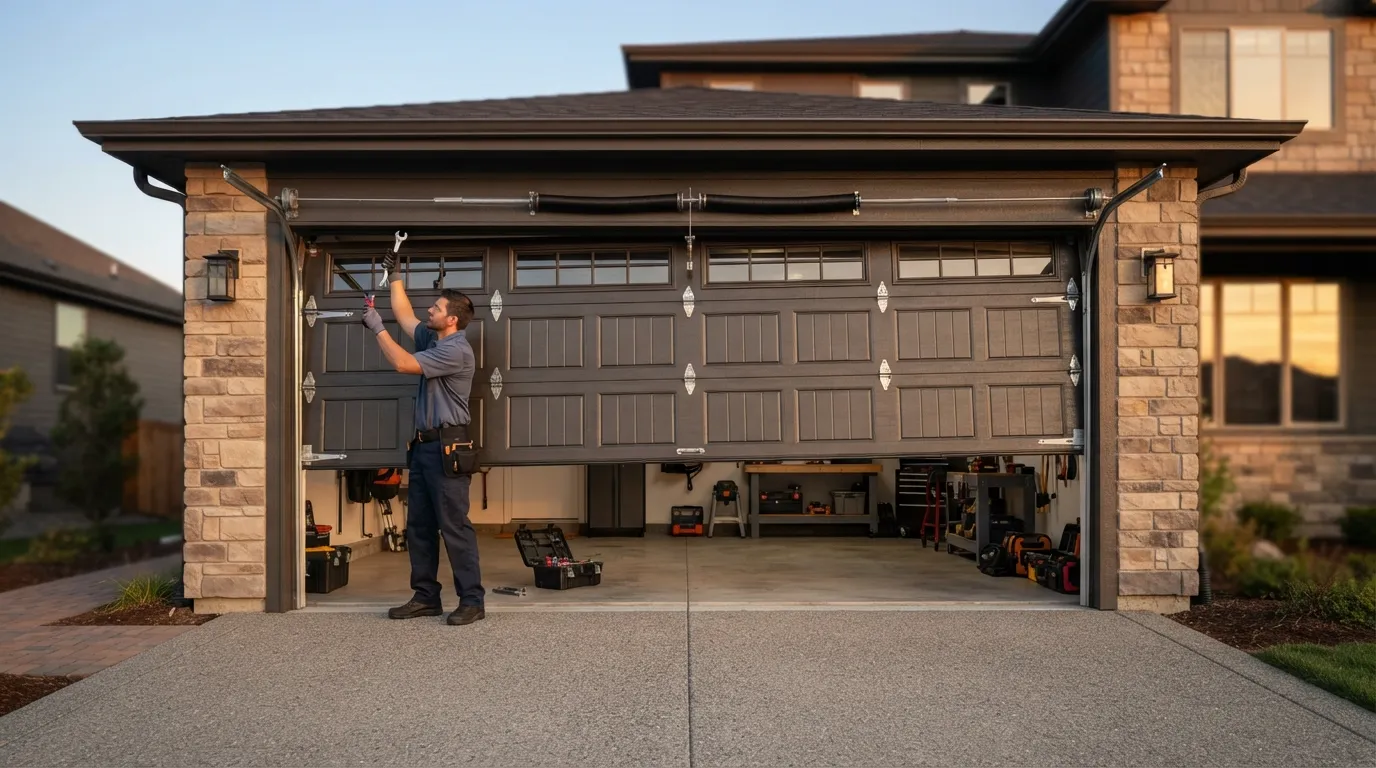
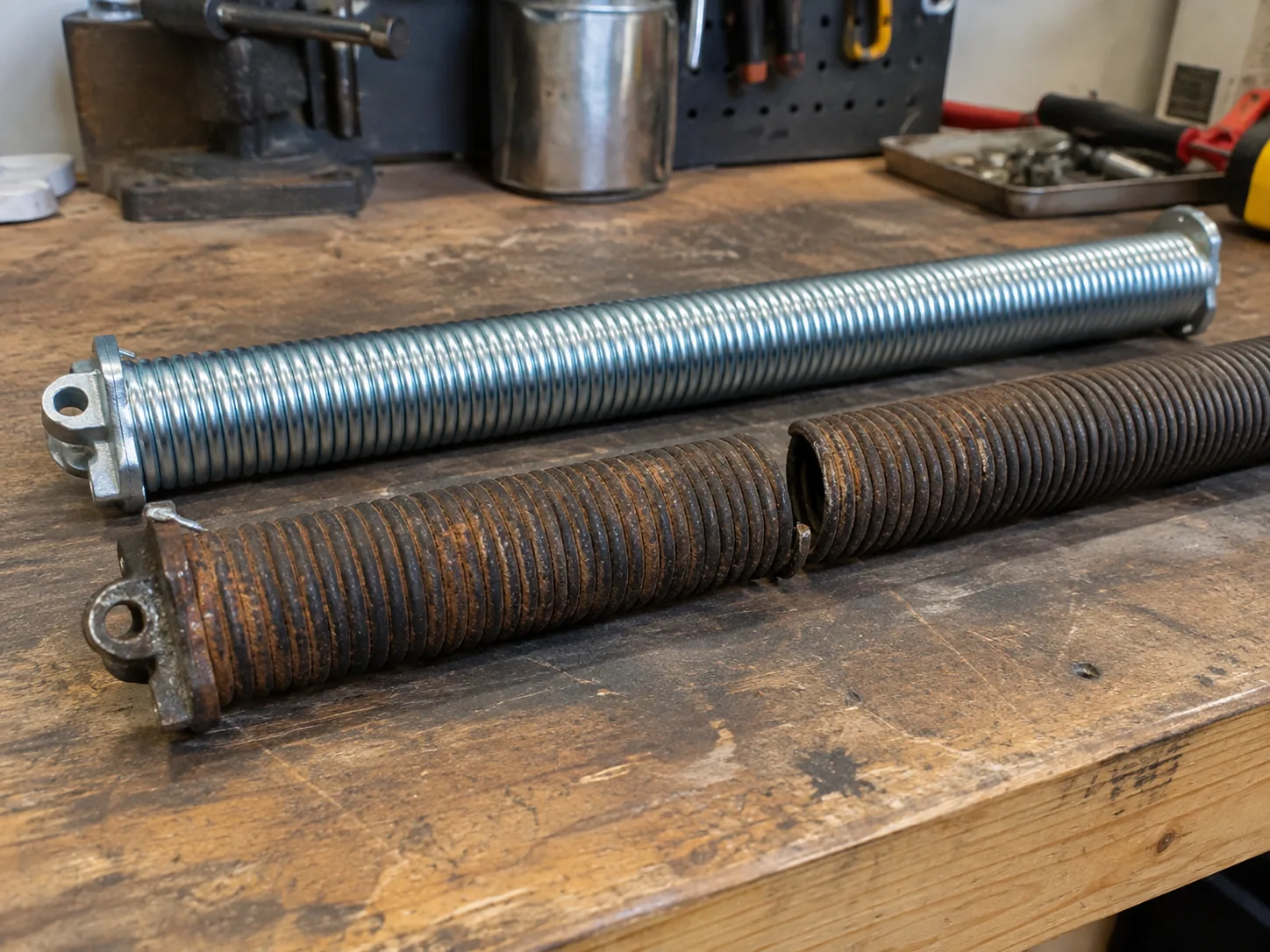
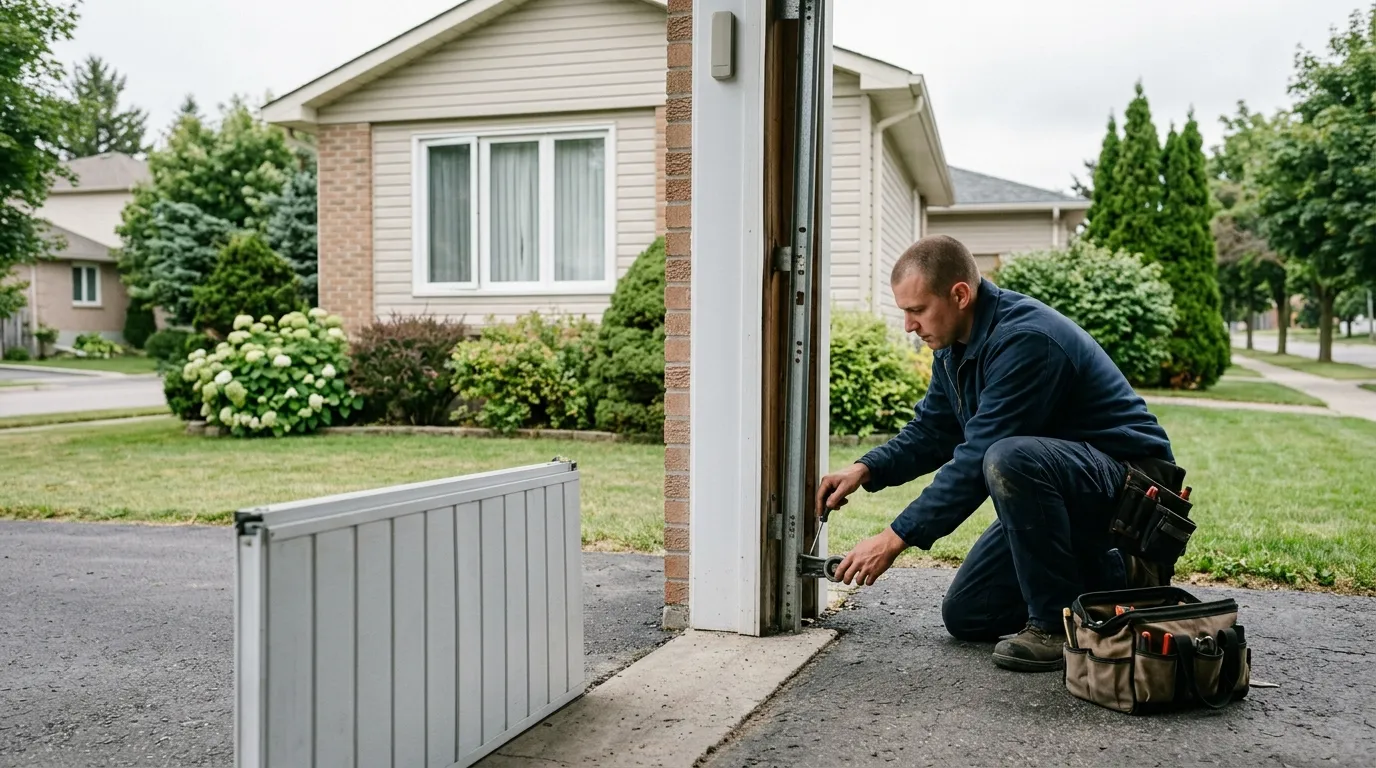
Housing across this area was built mostly between 1951 and 2005, with the bulk from the 1960s and 70s. That means a lot of doors are running original or first-replacement torsion hardware that's now decades past its rated cycle count - springs don't have a shelf-life expiration, but they do have a cycle count, and a 40-to-60-year-old spring has usually seen it.
Climate matters too. This area sits in a cold, moderate band, and steel spring wire stiffens and loses a little flex tolerance in winter cold snaps, which is exactly when a marginal spring tends to finally let go rather than easing into failure gradually. We see the seasonal spike in broken-spring calls line up with that pattern every year.
Across the roughly 35,651 owner-occupied houses in this service area, spring failure is one of the most common calls we get precisely because so much of the stock shares that same age band and climate exposure - it isn't a random failure, it's a predictable one tied to how and when these houses were built.