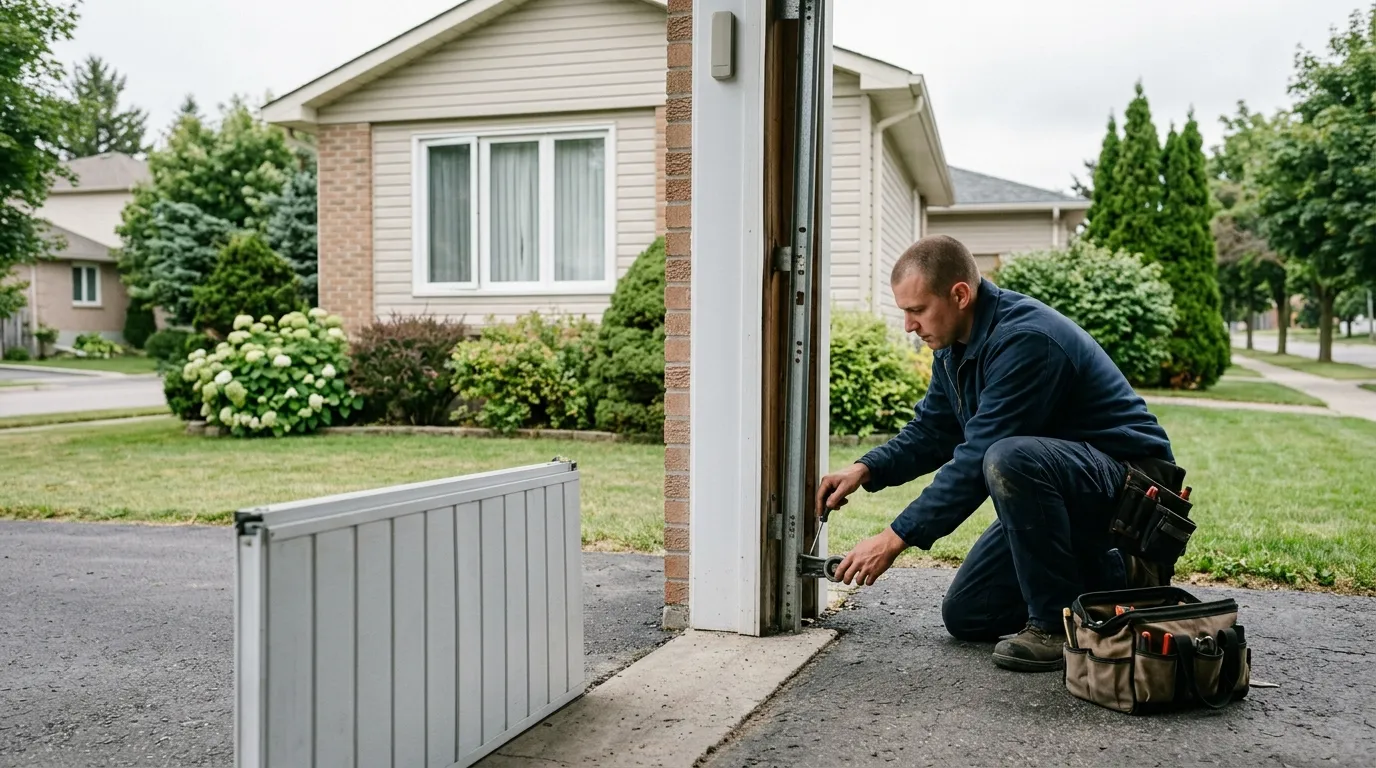
Some of this is DIY-safe. You can check track alignment with a level, tighten loose roller brackets, lubricate hinges, and test the auto-reverse safety feature by setting a piece of wood under the door and running it down. Those take twenty minutes and no special tools.
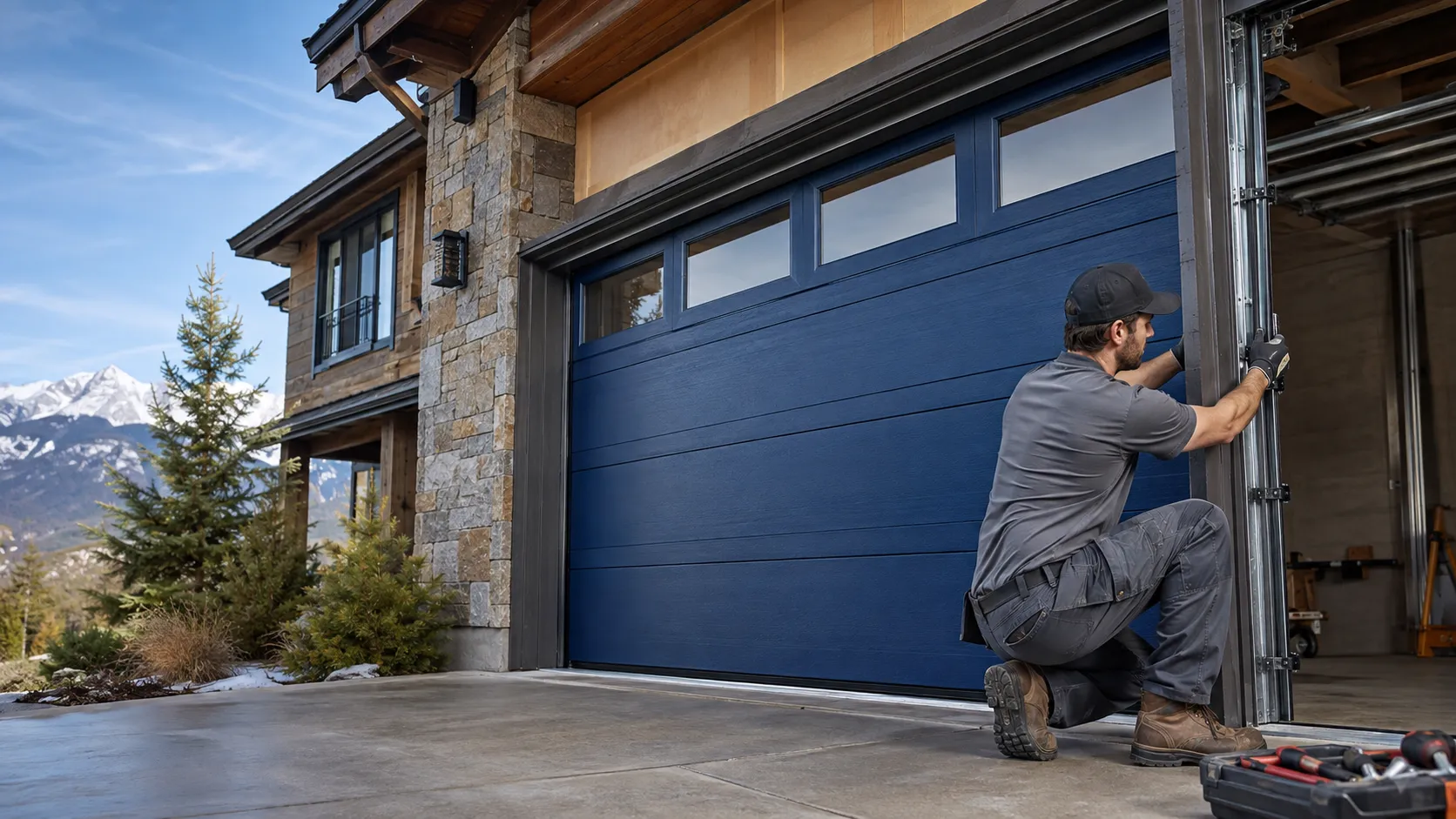
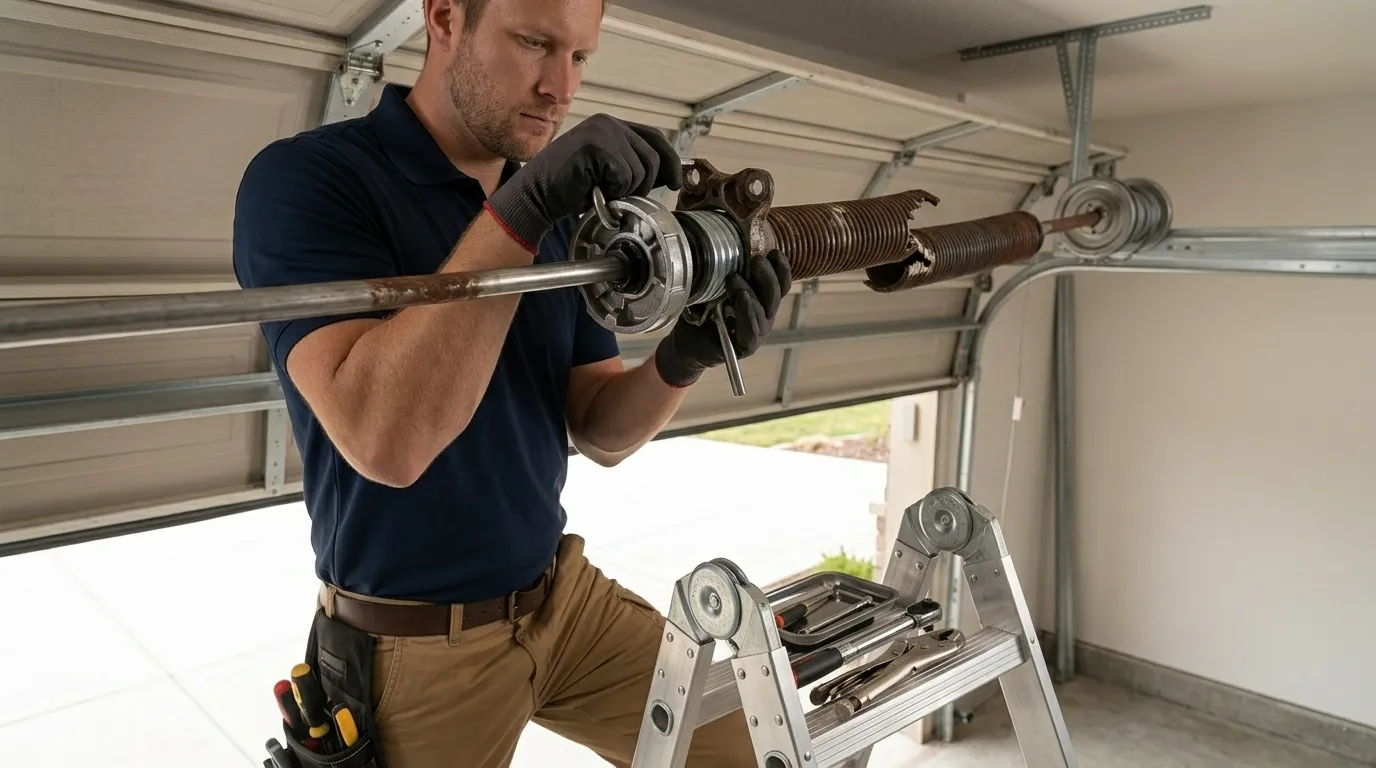
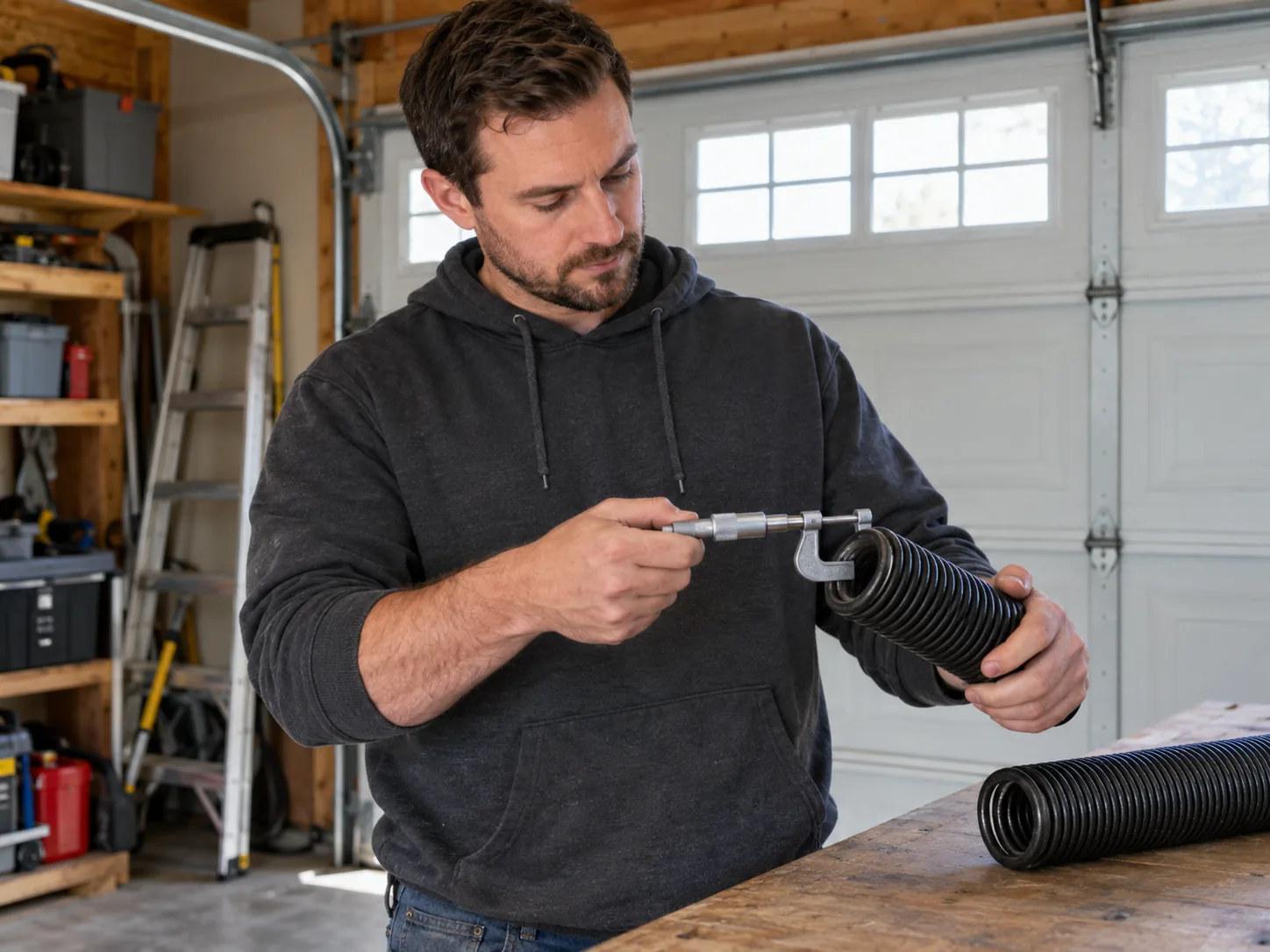
Torsion springs are not on that list. A wound torsion spring holds enough stored energy to break bones or worse if it lets go while you're working on it, and the winding bars and clamps needed to do it safely aren't things most homeowners own or have used. Cable replacement carries a similar risk since the cable is under tension from that same spring.
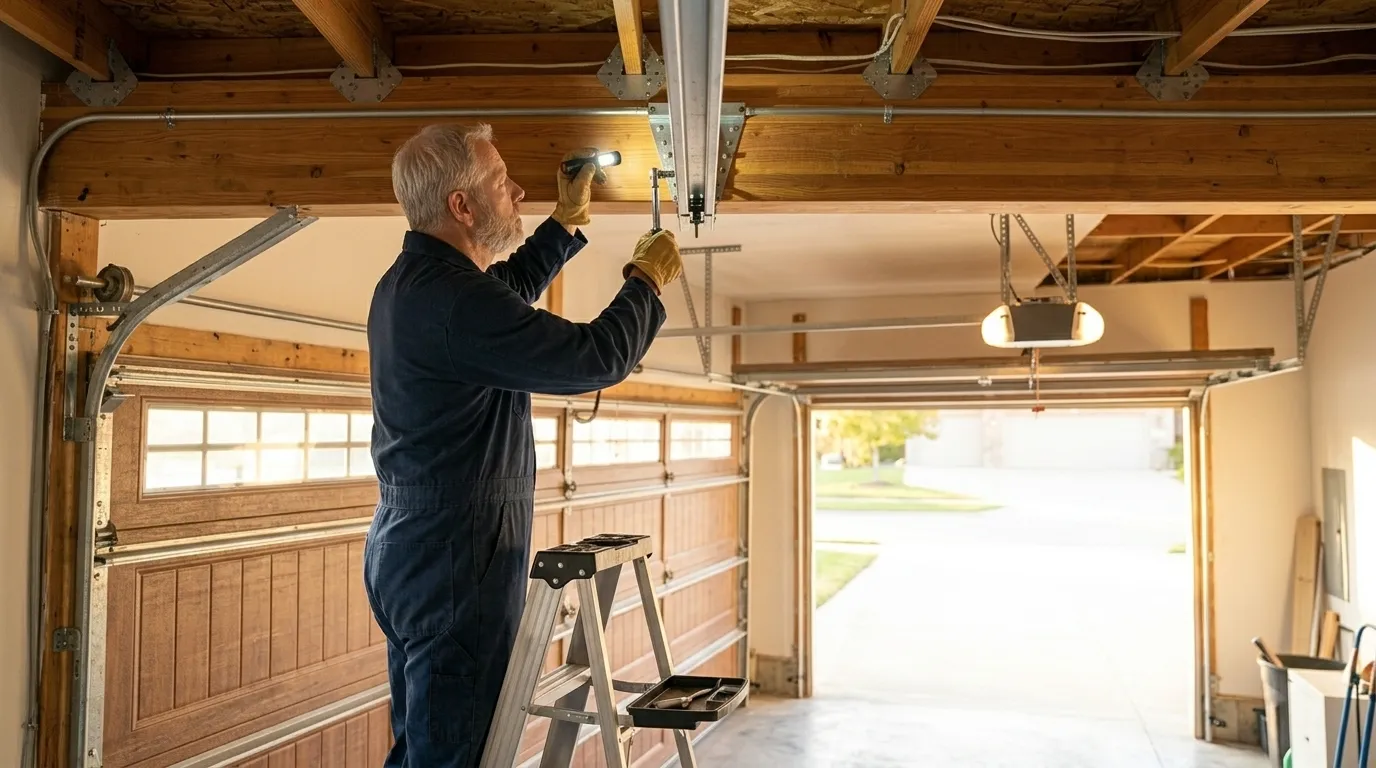
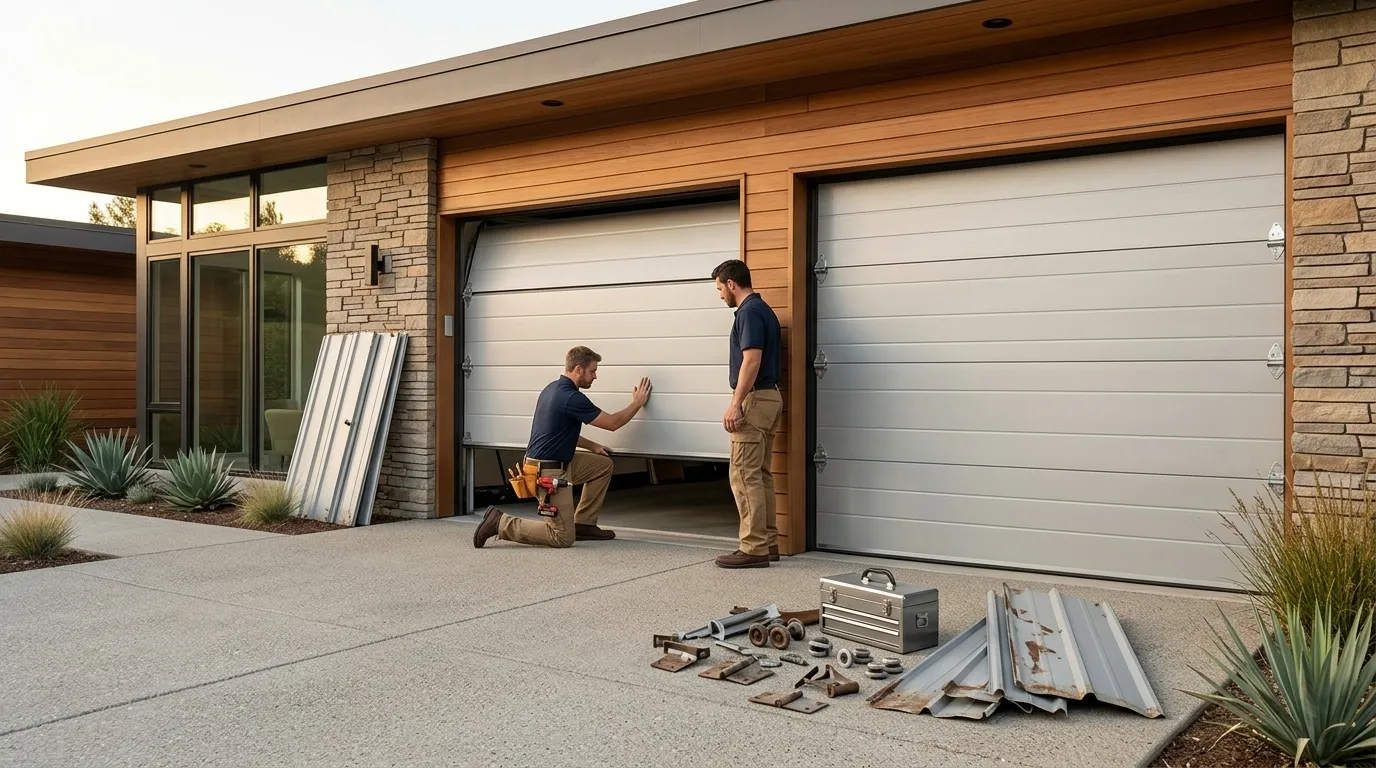
Here's the honest limit: if your door is from the original 1960s-70s build and the opener or spring hardware has never been upgraded, we may recommend replacing rather than patching, because parts for some of that older stock are slow to source and a repair on end-of-life hardware often just delays a bigger failure. We'll tell you which case you're in before we start work, not after.