
Guide
Uninsulated Garage Doors on Blue Springs' Older Housing Stock
Blue Springs homes built mostly between 1951 and 1974 often carry garage doors with no insulation at all. Here's what that means for cold winters and what to check.
Local detail
What Is Going On
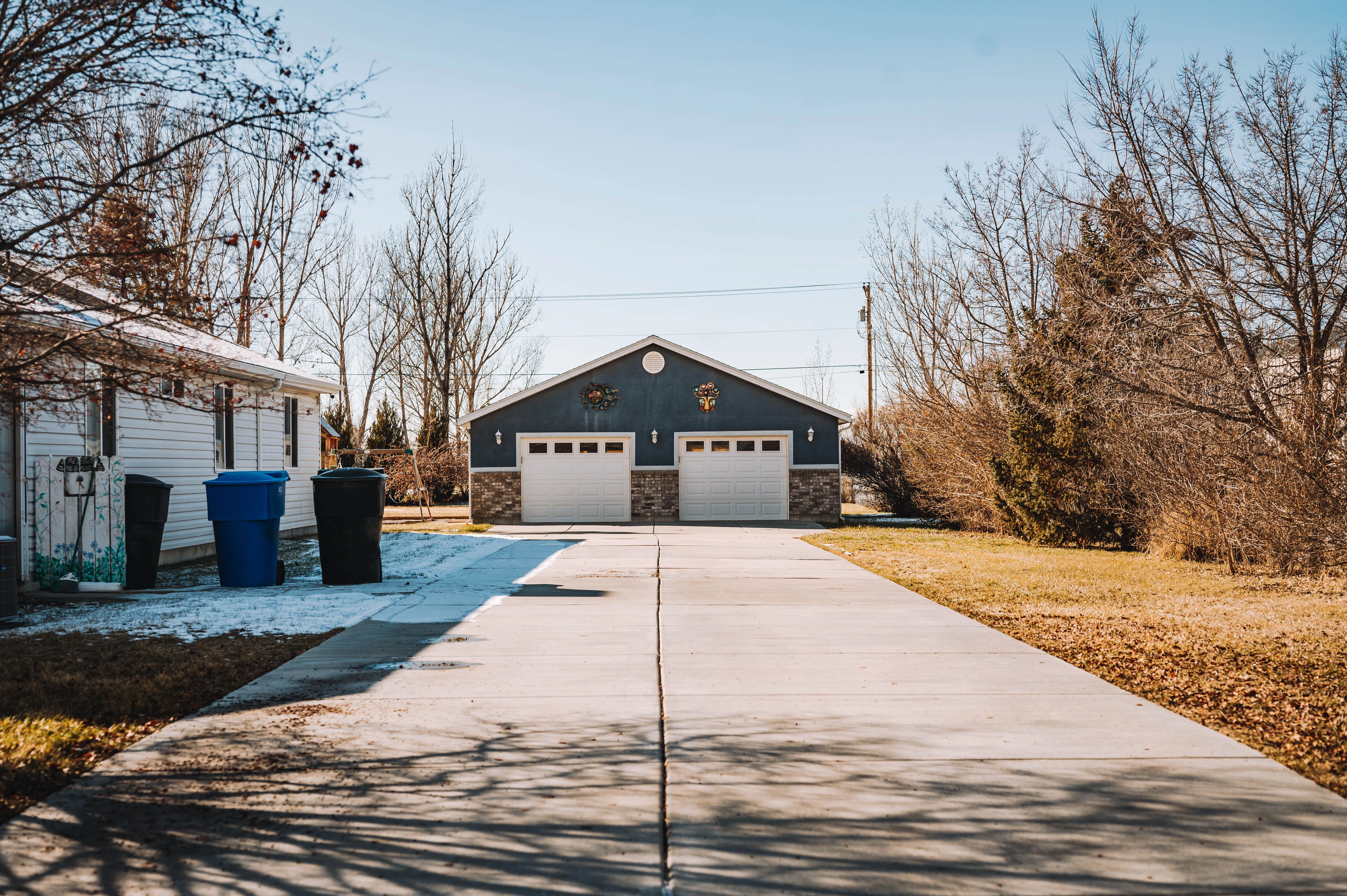
Most of the housing in Blue Springs went up between 1951 and 2005, with the median build year landing around 1974. Across the 22 named areas of town, the bulk of that stock is 1960s and '70s construction. Doors from that period were built to keep weather out of the garage, not to keep heat in.
A steel slab with no foam core, no thermal break at the seams, and a thin aluminum or wood face was standard for decades before insulated panels became common. If your house falls in that window, there's a real chance the door hanging on it today is either original or a like-for-like replacement that copied the same non-insulated design. That's not a flaw, it's just what the market sold at the time.
The problem shows up later, when the garage sits attached to a living space and that single layer of steel becomes the only thing between an unheated bay and the outside air. Nobody designed these doors to be the buffer they're now expected to be.
The area
What Changes With the Season
Blue Springs sits in a cold, moderate climate band, which means winter isn't brutal but it's long enough and cold enough to matter for a door with no insulation. A single-layer panel does almost nothing to slow heat loss, so an attached garage with an old door runs close to outdoor temperature most of the winter. That's fine if the garage is just for parking.
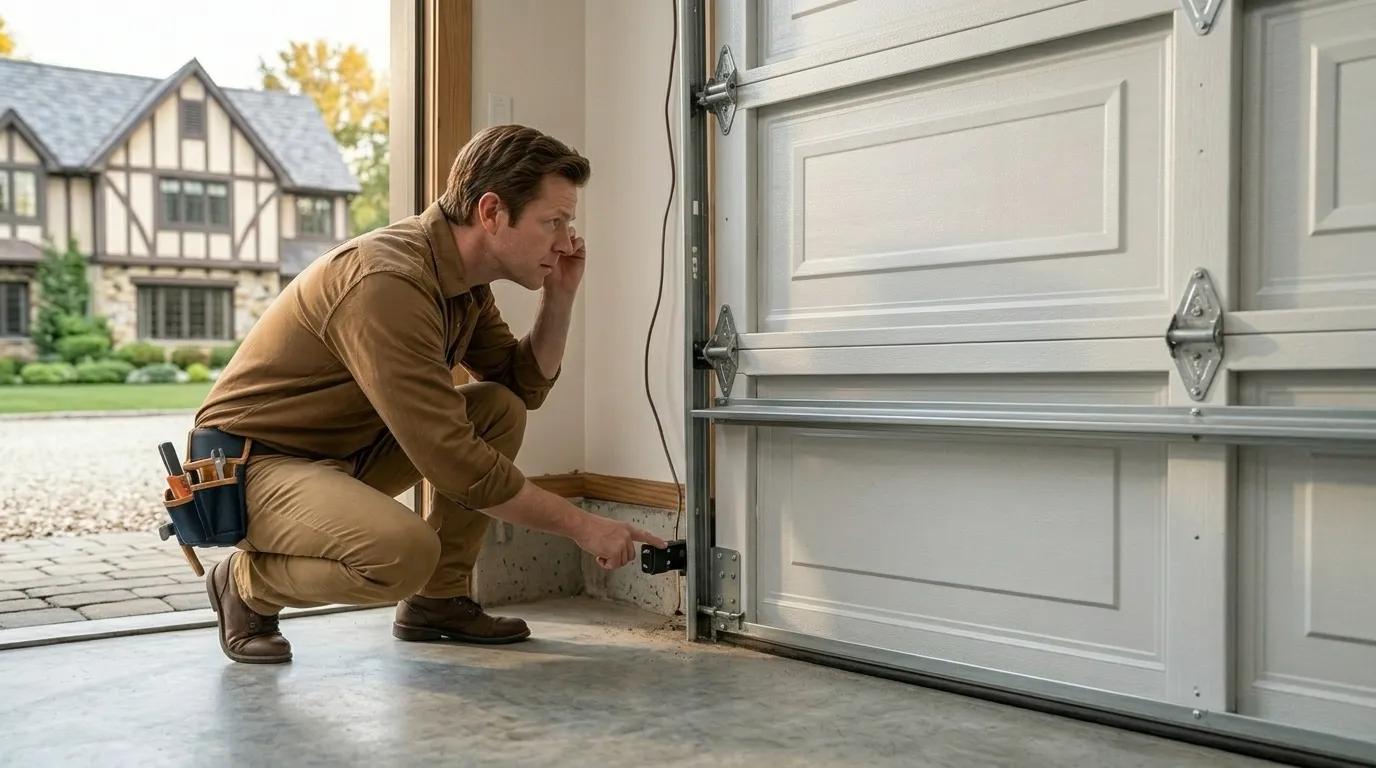
It's a different story if there's a laundry room, a workshop, or a shared wall with living space behind it. Cold also stiffens steel and hardens old lubricant on rollers and hinges, so a door that moves fine in July can start binding or sagging at the corners once temperatures drop. None of this is dramatic failure - it's slow wear that gets blamed on the opener when the real cause is a decades-old slab doing a job it was never built for.
What we find
How Local Conditions Play In
With median household income at $71,881 across the service area and roughly 35,651 owner-occupied houses out of 68,458 households, a lot of Blue Springs homeowners are sitting on paid-off or long-owned houses from that 1960s-70s wave rather than new construction. That matters because replacement isn't automatic - people tend to fix what they have. An uninsulated door on a house from that era can often run for years with basic upkeep, and there's no rule that says it has to come out just because it's old.
The honest limitation here: if the door is structurally sound, tracks straight, and the opener isn't struggling, swapping it purely for insulation value is a judgment call, not a necessity. We'll tell you when a repair beats a replacement rather than pushing a new door on a door that still works.
How we work
What to Check
Start at the panel edges - run a hand along the bottom seal and side jambs on a cold morning and feel for the draft. If you can feel outside air moving through the seam, the door's not doing its job regardless of age. Check the back of the panels for a foam layer; if it's bare steel or bare wood with nothing behind it, that's the pre-insulation build these older Blue Springs houses commonly carry.
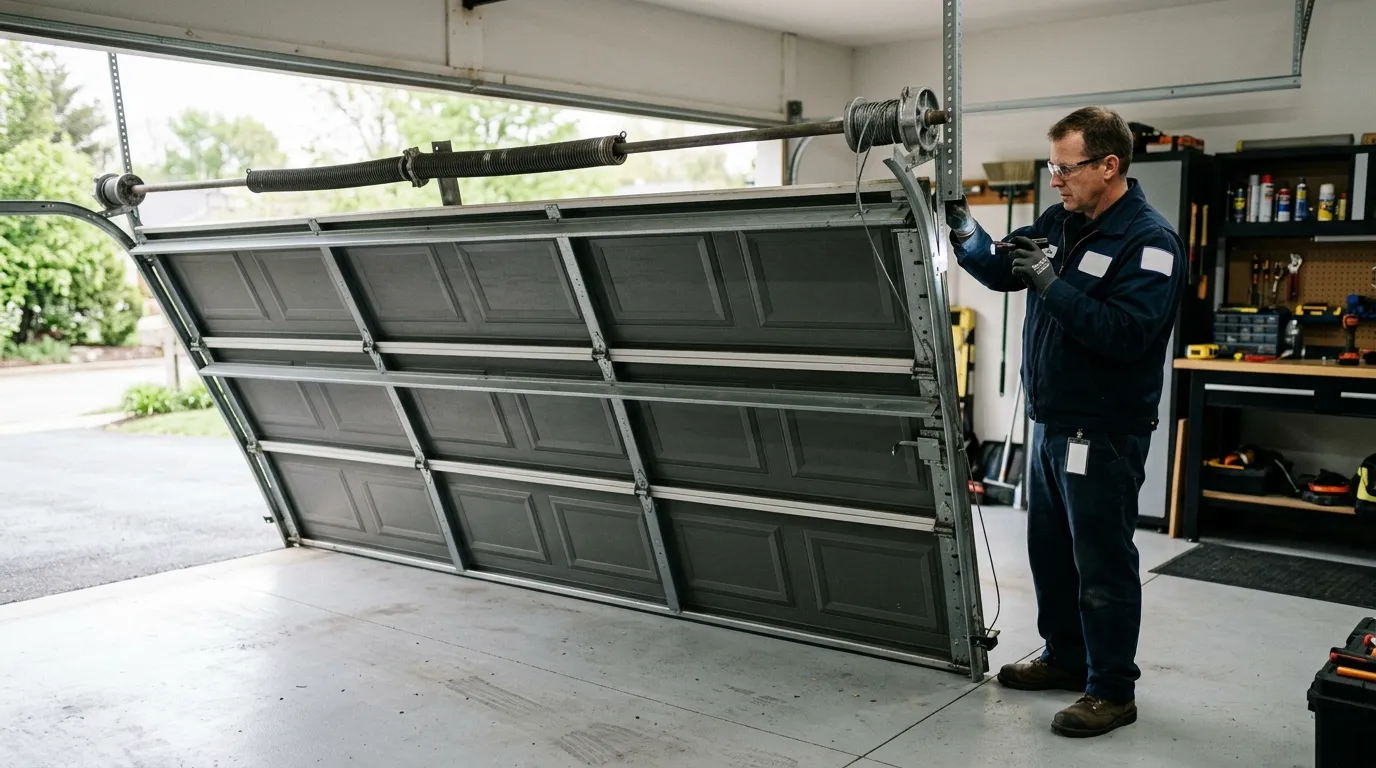
Look at the rollers and hinges for stiffness or grinding when the door cycles in cold weather - that's often old grease, not a failing part. And check the bottom weatherstrip itself, since a cracked or flattened seal on a decades-old door lets in more cold than the panel material ever will. None of this requires tearing into anything - it's a five-minute walk around the door before you decide whether it's worth fixing the seal or worth replacing the whole slab.
Questions
Common questions
Is my garage door insulated if my house was built in the 1970s?
Not necessarily. Blue Springs' housing stock is largely 1960s-70s construction, and doors from that period were typically single-layer steel or wood with no foam core. Unless it's been replaced with a newer insulated model, assume it's uninsulated until you check the back of the panel for a foam layer.
Do I need to replace an old uninsulated door before winter?
Not automatically. If the panels are straight, the seals are intact, and the opener runs smoothly, an old uninsulated door can still function fine through a cold-moderate winter. Replacement makes more sense when the seals are failing or the garage backs onto living space you're trying to heat.
Why does my older garage door get harder to lift in winter?
Cold stiffens steel and thickens old grease on rollers and hinges, which is common on doors from the 1960s-70s builds common around Blue Springs. It's usually wear, not a broken spring, but it's worth checking if the difficulty is sudden rather than gradual.
Ready when you are
Need a garage door sorted in Blue Springs?
Blue Springs Garage Door Pros repairs and installs garage doors, springs and openers in Blue Springs, MO and the surrounding area.