
Blue Springs, MO
Garage Door Installation for Blue Springs Homes
New garage door installation for Blue Springs homes built 1951-2005, matched to original opening sizes and sized for cold-climate insulation needs.
What we do
Garage door work in Blue Springs
Garage Door Repair for Blue Springs Homes
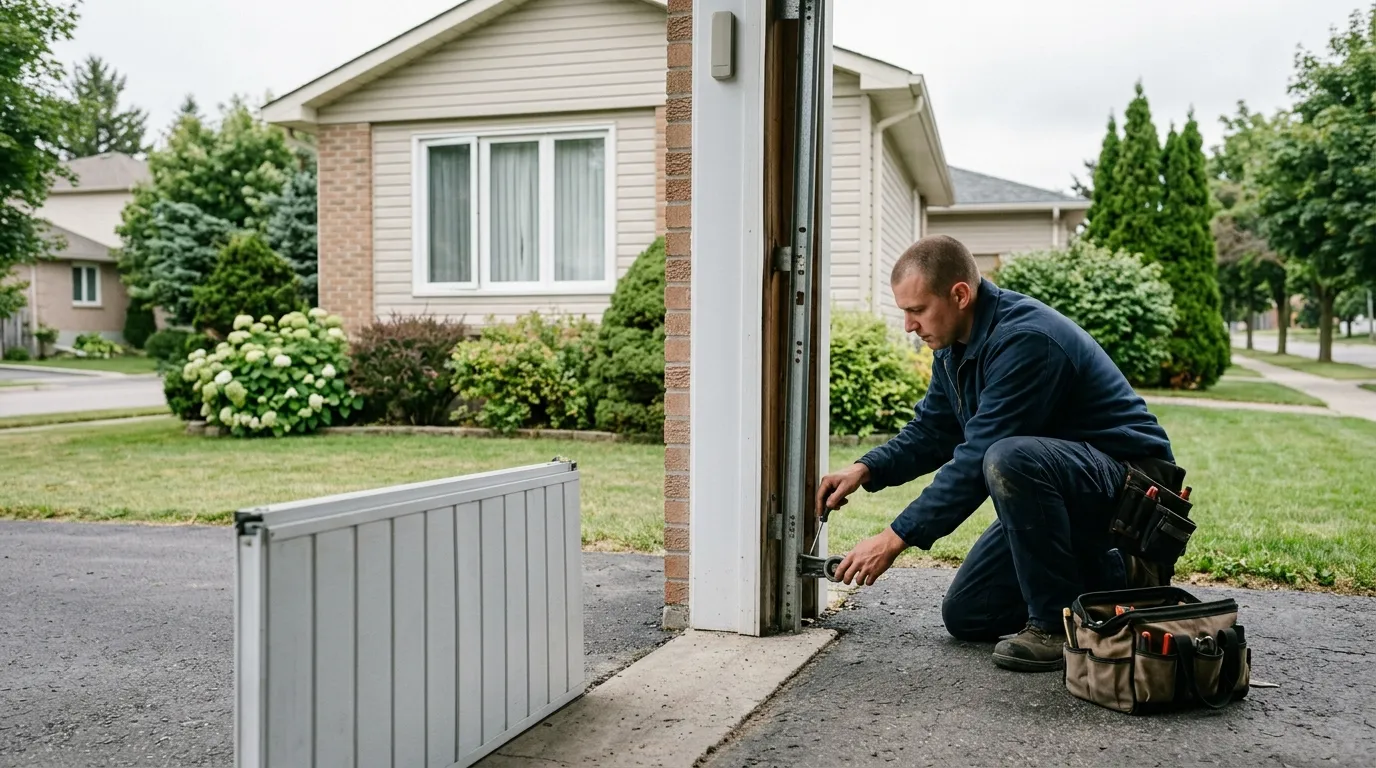
Garage door repair in Blue Springs, MO, built around the torsion springs, openers, and tracks common in this area's 1960s-70s housing stock and cold winters. Learn more →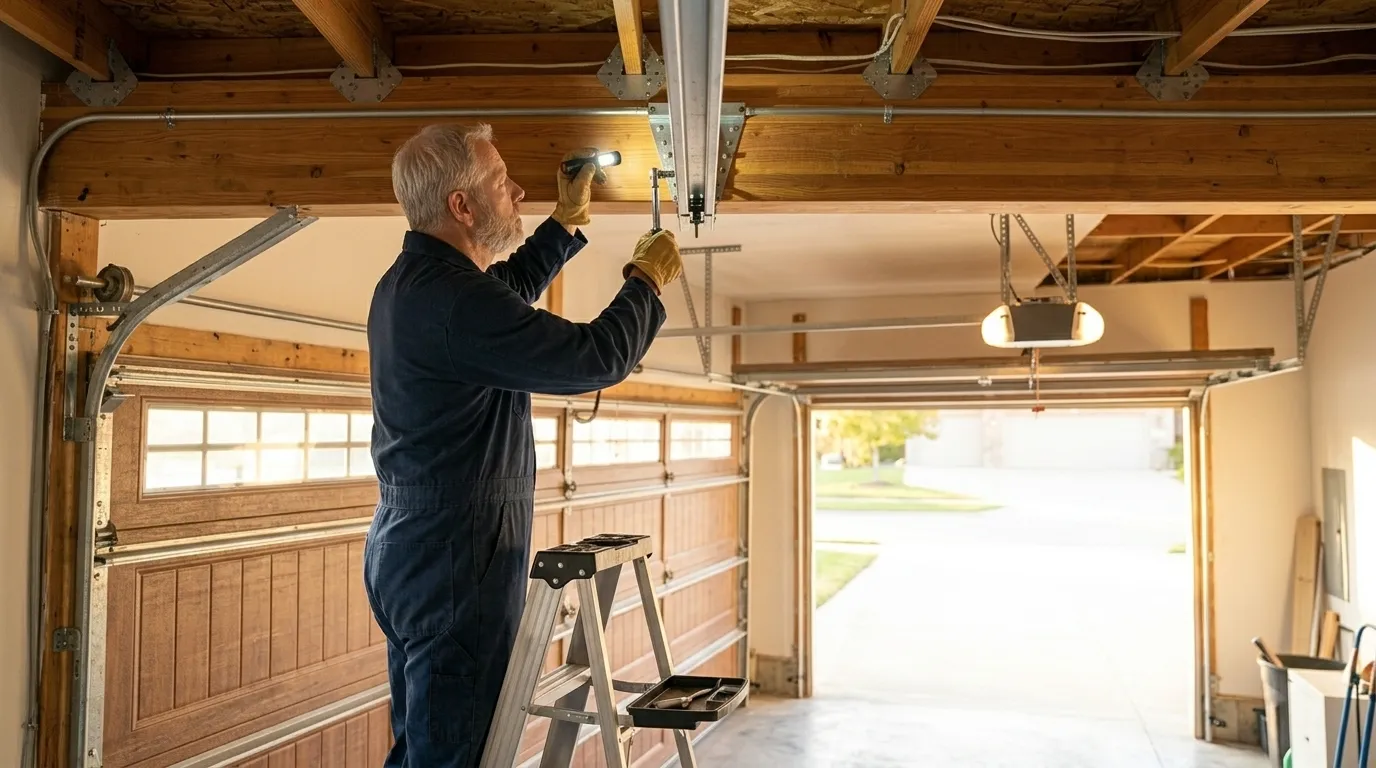
Garage Door Service for Blue Springs Homes
Garage door service for Blue Springs homes built mostly in the 1960s-70s, matched to cold-climate wear on springs, tracks, and openers. Learn more →Local detail
What the Fix Involves
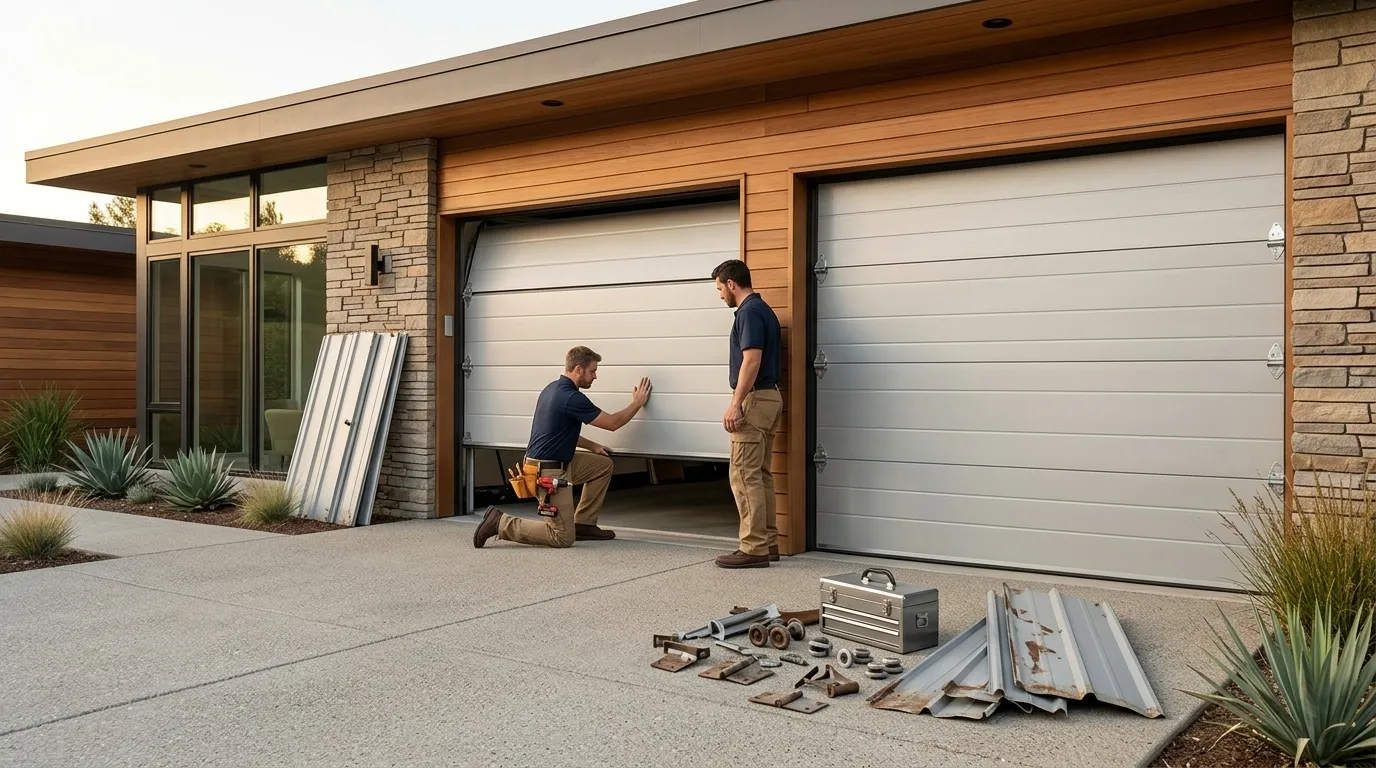
A full installation means pulling the old door, tracks, and springs and setting new ones to match the rough opening built into your house. Most homes in Blue Springs went up between 1951 and 2005, with the bulk of the stock dating to the 1960s and '70s across the area's 22 named subdivisions, so the openings we run into are framed to specs that stopped being standard decades ago. We measure the header height, the jamb width, and the slab pitch before we order anything, because a door that's an inch off in either direction will bind on the track or leave a gap you can see daylight through.
We also swap the torsion or extension spring system to match the new door's weight, set new rollers and hinges, and balance the door so it holds position halfway open without the opener pulling it. On homes with a finished bonus room over the garage, we check headroom before quoting a torsion setup versus a low-headroom kit. None of this is a bolt-on job - the track alignment and spring sizing both depend on the specific door you're installing, not a generic one-size kit.
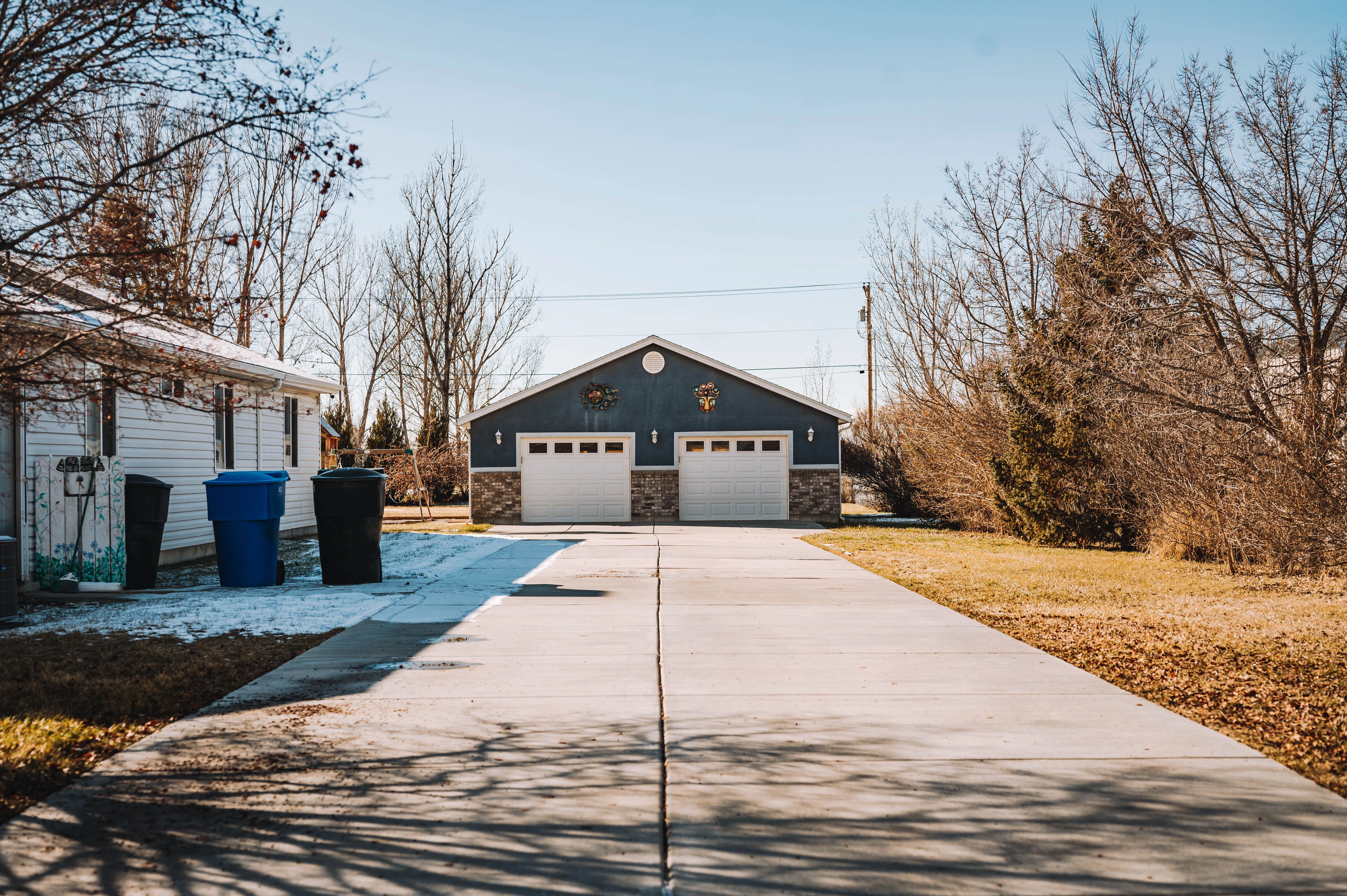
The area
How It Shows Up
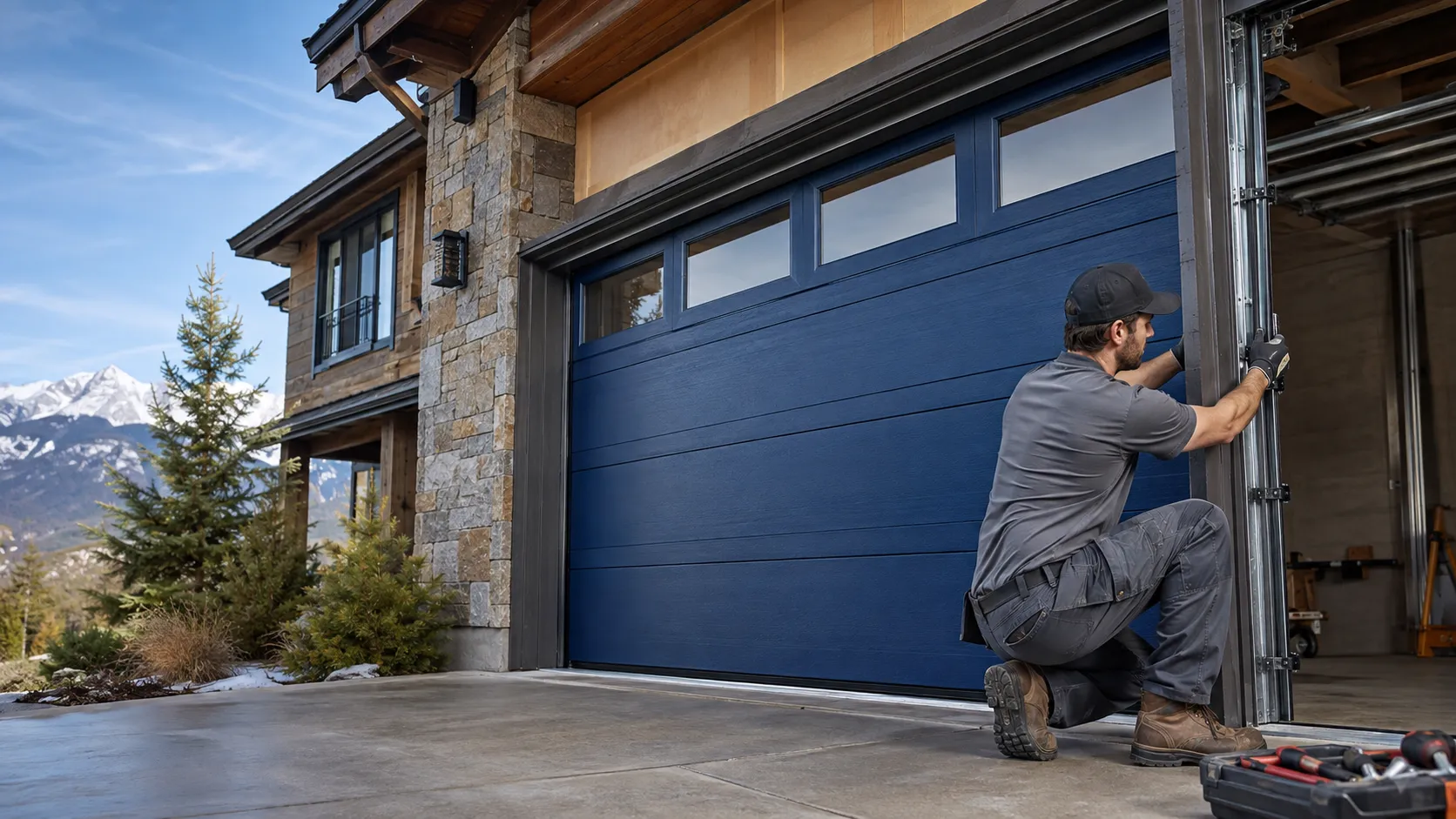
Owners usually call because the old door is failing in a way that installation fixes and repair can't - a wood door from the '70s that's swelling and cracking every winter, a steel door with rusted-through bottom panels, or a track system so worn that the door walks sideways every time it opens. In Blue Springs's cold-moderate climate, uninsulated or single-layer doors from the older part of the housing stock let a lot of cold air into the garage in January, and if that garage shares a wall with living space, it shows up as a cold bedroom floor or a furnace that runs longer than it should.
Another pattern: houses built mid-stock, in the '70s and '80s boom years, often got a single door width that no longer fits how people park two vehicles or store equipment. Owners widening a single into a double, or replacing a double with two singles, come to us for installation rather than repair because the wall opening itself has to change, not just the door hardware.
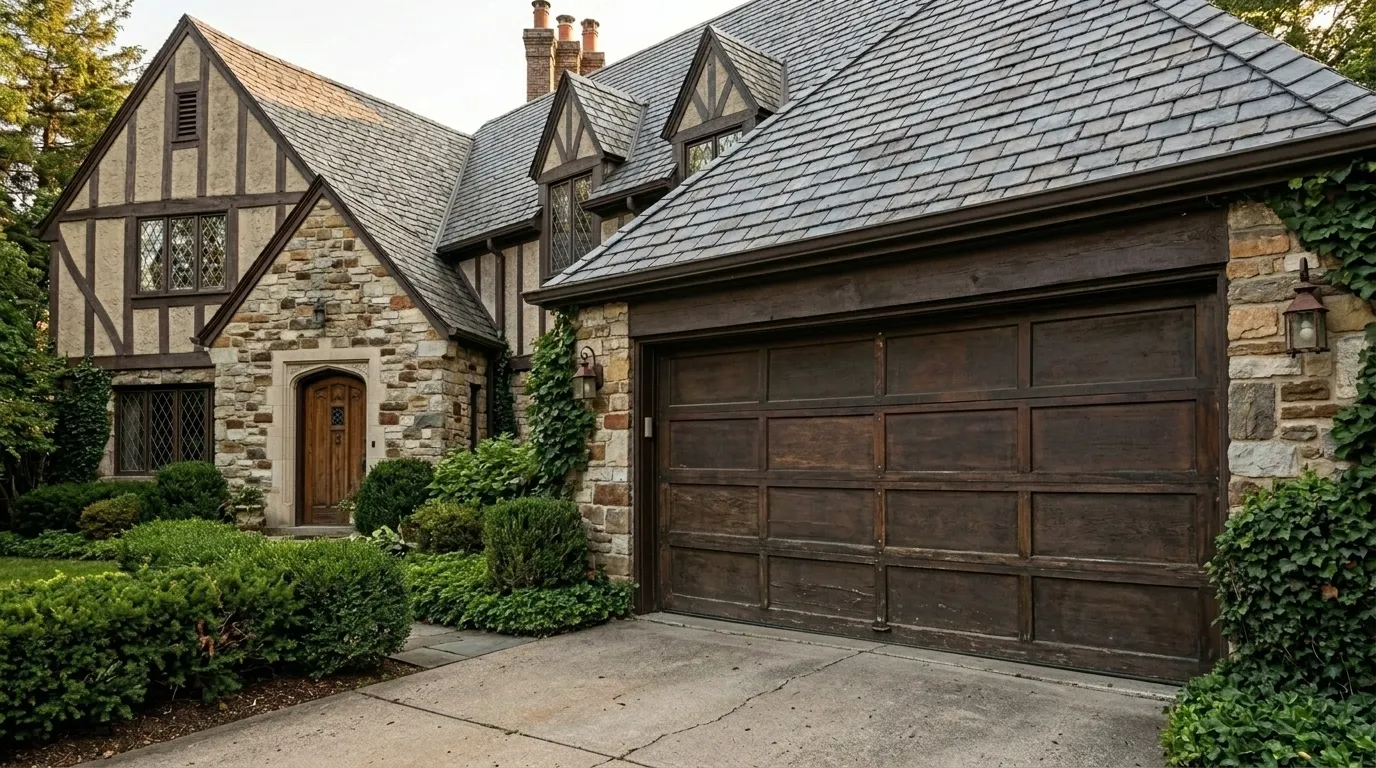
What we find
Can You Do This Yourself
A DIY installer can hang a pre-hung steel door with a kit if the opening is already sized correctly and the old track is being reused. That's a smaller job. Where it goes wrong fast is spring tension - a torsion spring under load can put someone in the hospital, and getting the wind and turn count right takes a tool most homeowners don't own and won't need again. We also see DIY installs where the door is plumb but the track isn't shimmed to the actual wall, which shows up as a scraping noise six months later, not on day one.
We won't talk anyone out of a straightforward panel swap or weatherstrip replacement. But full installation - new opening size, new spring system, new opener mounting - is the kind of job where a half-inch mistake in track alignment costs more to unwind than it would have cost to do right the first time.
How we work
Why This Fails Locally
The failure pattern in Blue Springs is tied directly to the age spread of the housing stock. A door installed when the house was built in, say, 1974 has now gone through five decades of cold-moderate winters - freeze and thaw cycles that work at the seams of an old wood jamb and loosen the fasteners holding old track brackets to a stud that's shrunk slightly since it was cut. On the newer end of the range, homes built closer to 2005 often have doors that were builder-grade from the start, sized to code minimums rather than to what an owner actually wants to park or store.
With 35,651 owner-occupied houses across a service area of 68,458 households, and a median income of $71,881, we see a wide range of ages and budgets come through - but the common thread is that a door bought off-the-shelf for a generic opening rarely matches what's actually framed into a Blue Springs house from this era. That mismatch is what turns into binding, gapping, or an opener straining against a door it was never sized for.
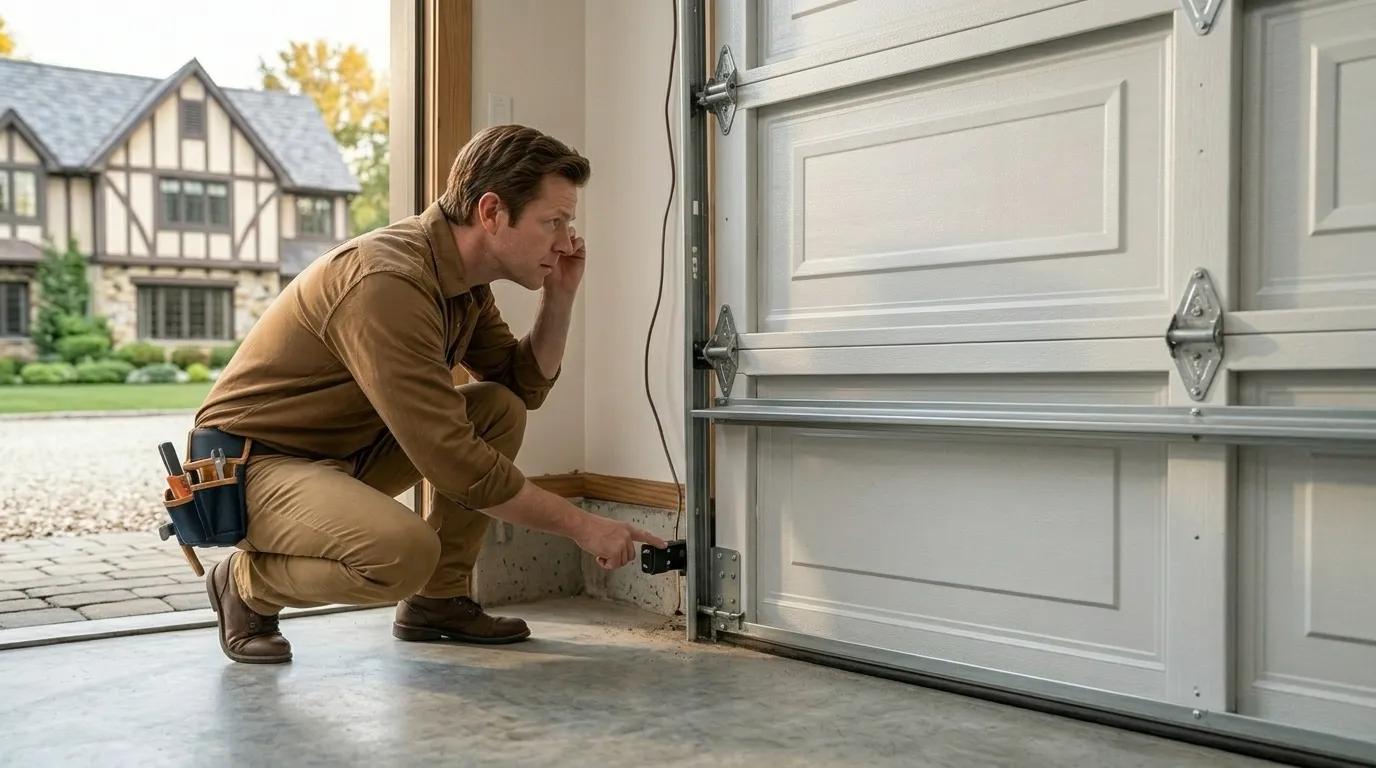
Questions
Common questions
How do I know if I need a new door or just a repair?
If the panels are cracked, rusted through, or the door is out of true with the frame, installation is usually the better spend than another repair. If it's just a broken spring, worn rollers, or a dented panel on an otherwise sound door, repair makes more sense. We'll tell you honestly which one you're looking at before we quote anything.
Will a new door fit my house's original opening?
In most cases yes - we measure your rough opening before ordering, since houses in Blue Springs built between 1951 and 2005 often use framing dimensions that differ from what's sold as standard today. If your opening needs to be widened or narrowed, that's a bigger job and we'll walk you through it before any work starts.
Do insulated doors matter for our winters here?
In a cold-moderate climate like ours, an insulated door makes a real difference if the garage shares a wall with living space or you use it as a workspace in winter. It won't turn an uninsulated garage into a heated room, but it cuts down the temperature swing and the draft that comes through an older single-layer door.
Ready when you are
Need a garage door sorted in Blue Springs?
Blue Springs Garage Door Pros repairs and installs garage doors, springs and openers in Blue Springs, MO and the surrounding area.