Greenwood, Blue Springs

Panel Replacement for Greenwood's Newer Housing Stock

Greenwood homes went up around 1995, later than most of the Blue Springs area. That newer housing stock changes what panel replacement looks like here. We explain why.

Panel Replacement for Greenwood's Newer Housing Stock in Blue Springs
Serving Blue Springs, MOBackground-checked techsHonest, upfront pricingFast local response

Pricing

The Cost of This Job

Greenwood's median home dates to about 1995, a good two decades newer than the 1974 median across the rest of the Blue Springs service area.

Cost Factors For Panels

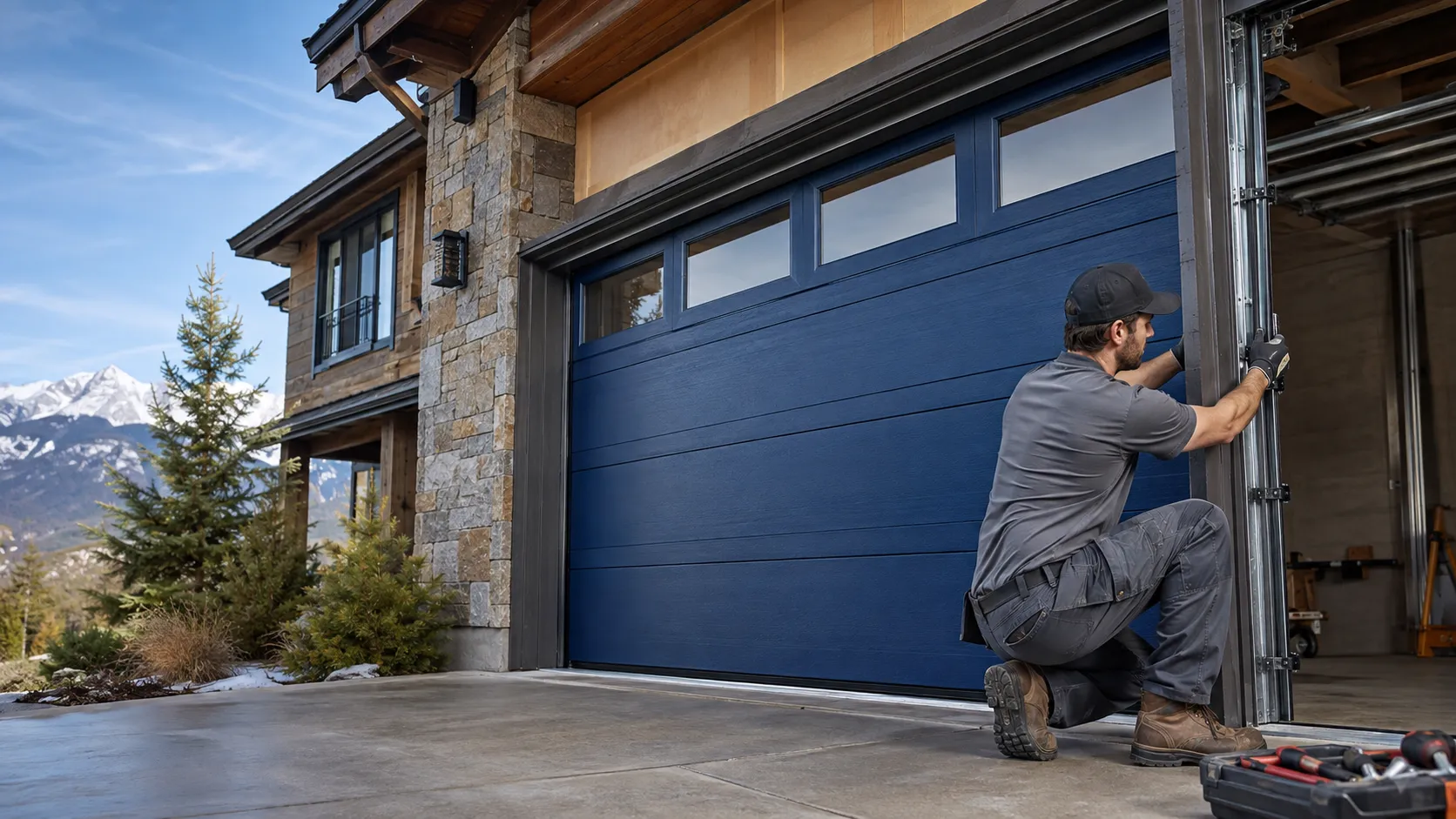
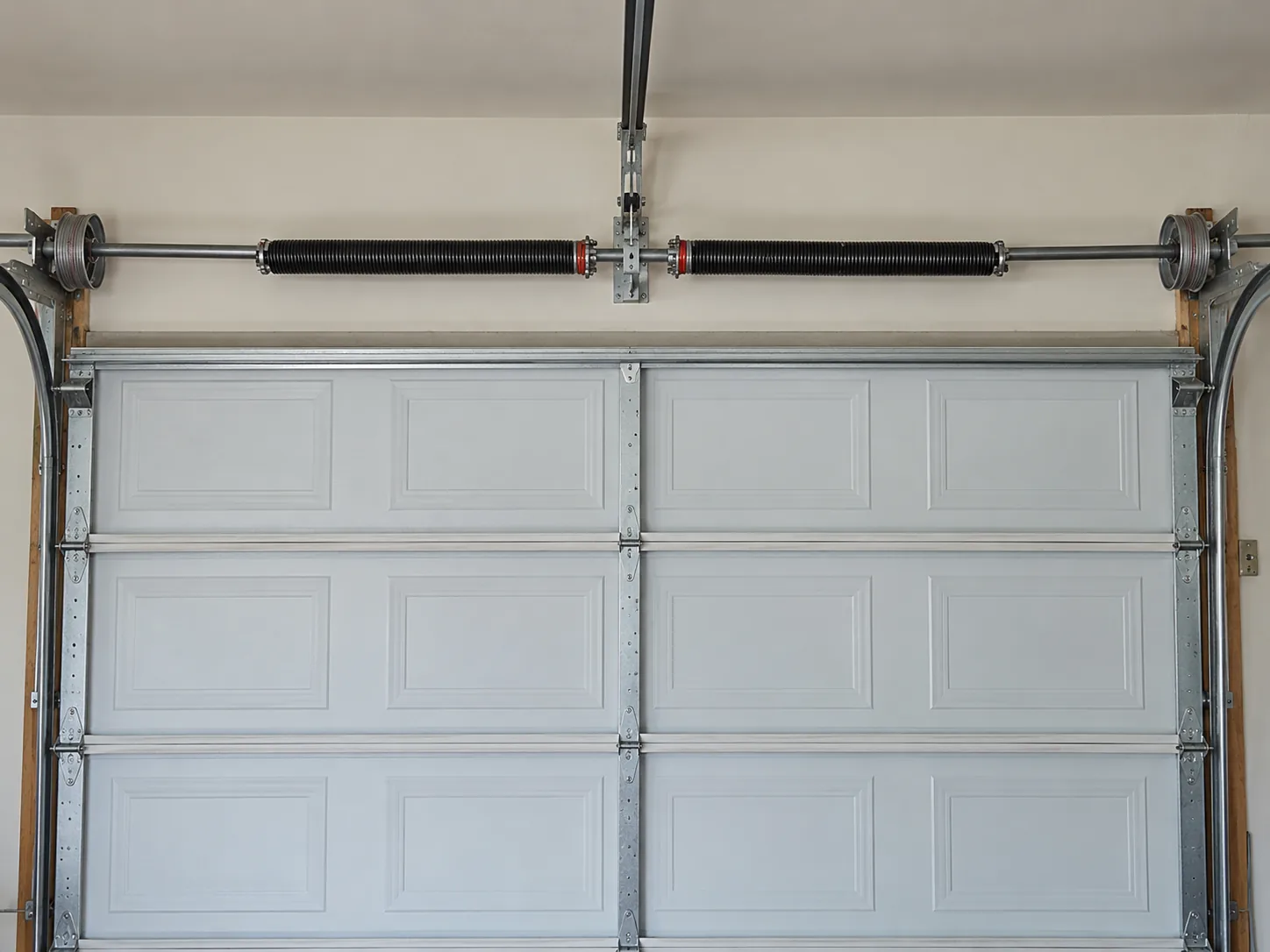
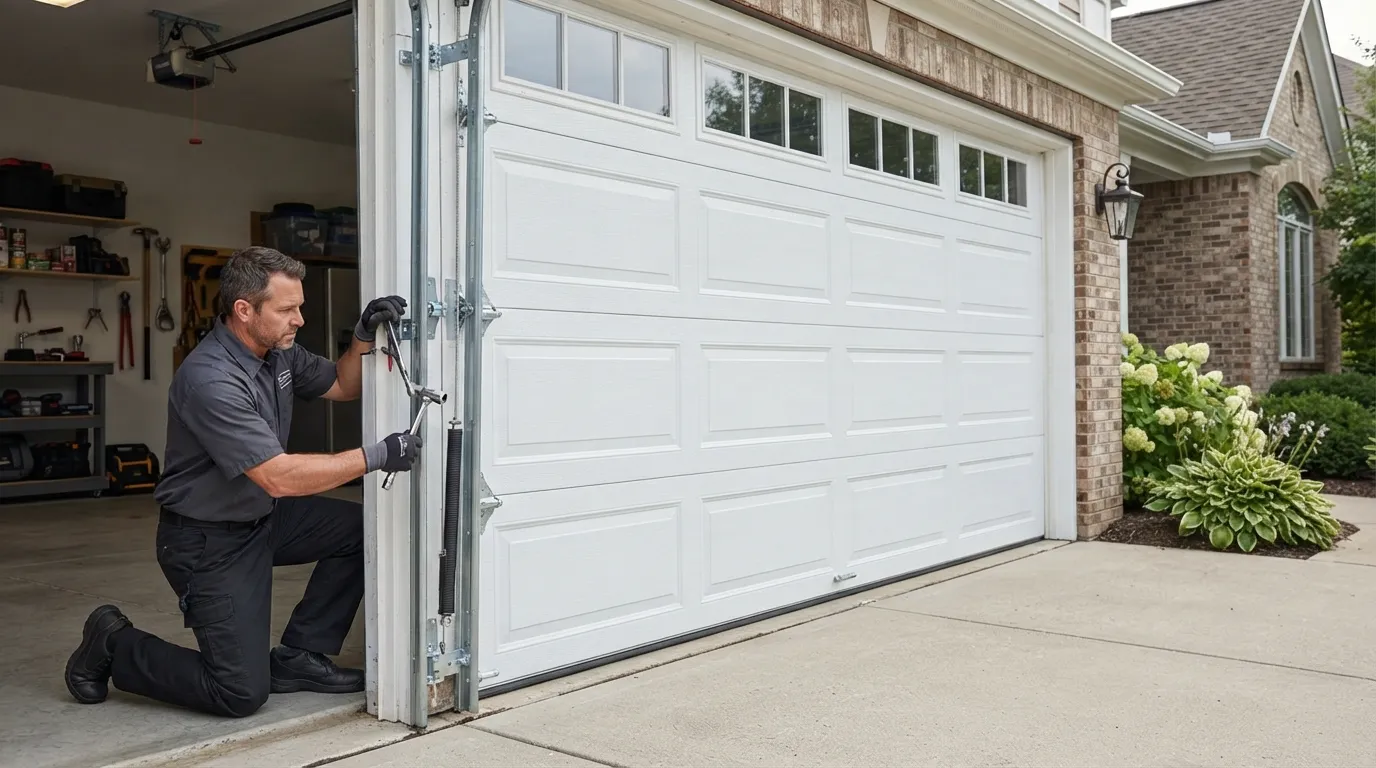
That matters for panel work because a 1995-built house almost always shipped with a factory steel sectional door, not the older wood or thin-gauge doors common on 1970s stock elsewhere. Steel sectional panels from that era are more standardized, which usually makes sourcing a matching replacement panel easier than it is on an older door.

Panel Sourcing Timeline

Greenwood also carries a median household income of $104,638, well above the $71,881 median across the wider service area. In practice that means more Greenwood calls end up choosing full insulated panel replacement over a patch job, because the owner wants the door to look uniform rather than carry a visibly different section.

Color Match Availability

We don't quote a number here without a look at the door in person - panel cost depends on the door's width, whether it's insulated, and whether the manufacturer still stocks that exact profile. With only 2,193 households in Greenwood, it's a small enough market that we haven't seen every builder-grade door style yet, and we say so up front rather than guess at a price we can't back up.

Overall Replacement Pricing

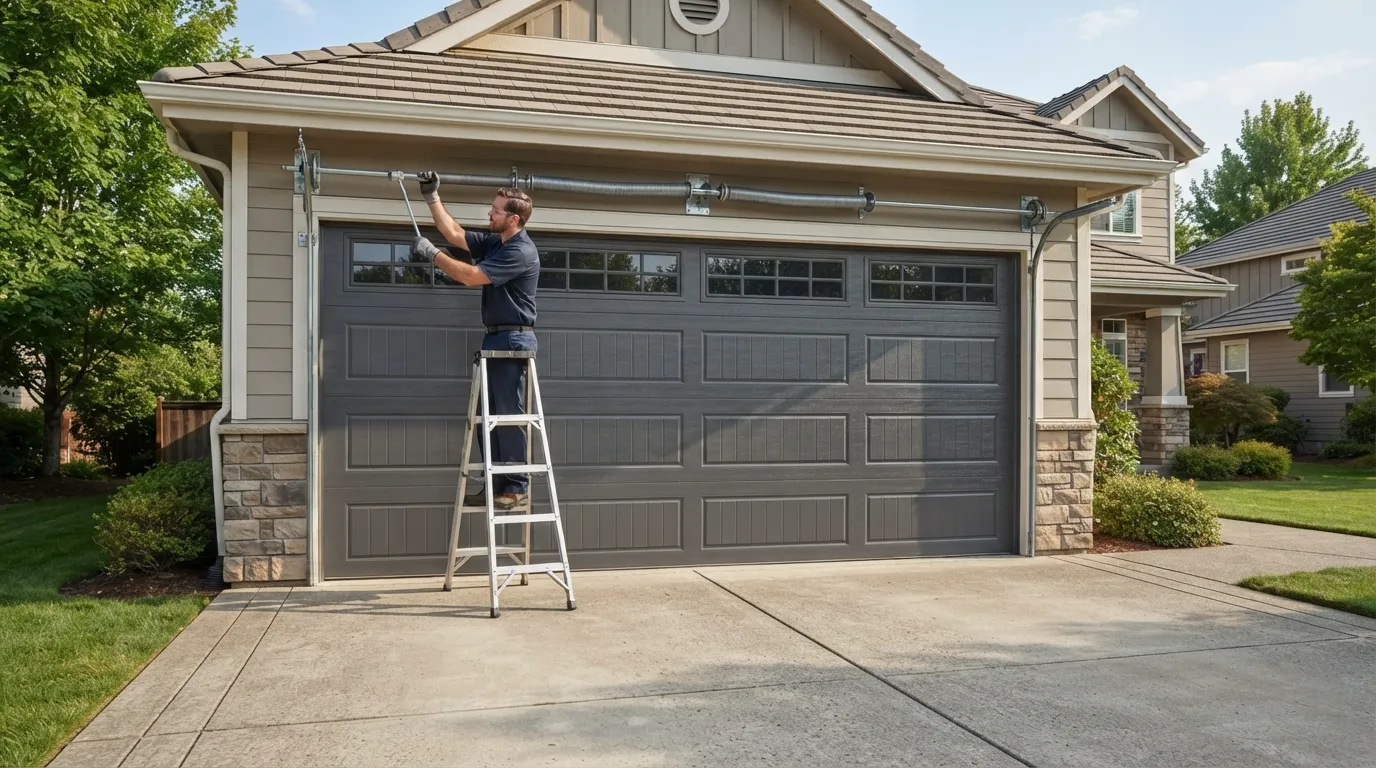
We run this job out of Blue Springs, about 12 miles away, so we build the trip into the same visit as the estimate rather than charging a separate call-out to look at the door first.

Local causes

Why This Fails Locally

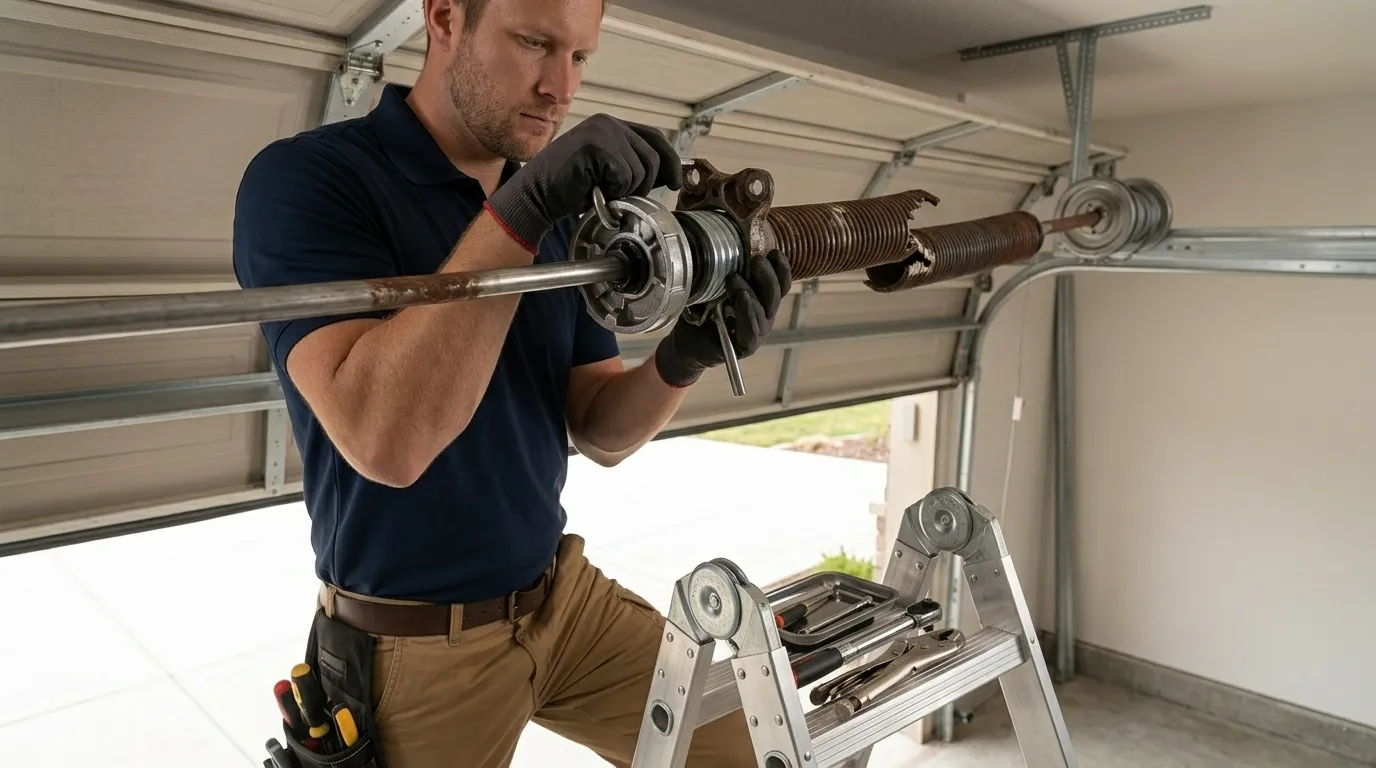
Doors built in the mid-1990s standard on steel sectional panels with a foam-backed interior and a roll-formed steel skin. That skin is thinner than what's used today, and after close to thirty years it dents easier than a newer door would, especially on the bottom two panels where a car bumper or a stray basketball tends to connect.

Missouri's cold winters and freeze-thaw swings - the same climate band that covers all of this service area - work on that thin steel from the inside out. Moisture gets into a ding or a seam, sits against the foam backing, and rusts the panel from behind before it ever shows on the painted face. By the time you see bubbling paint or a soft spot, the steel underneath is usually already compromised.

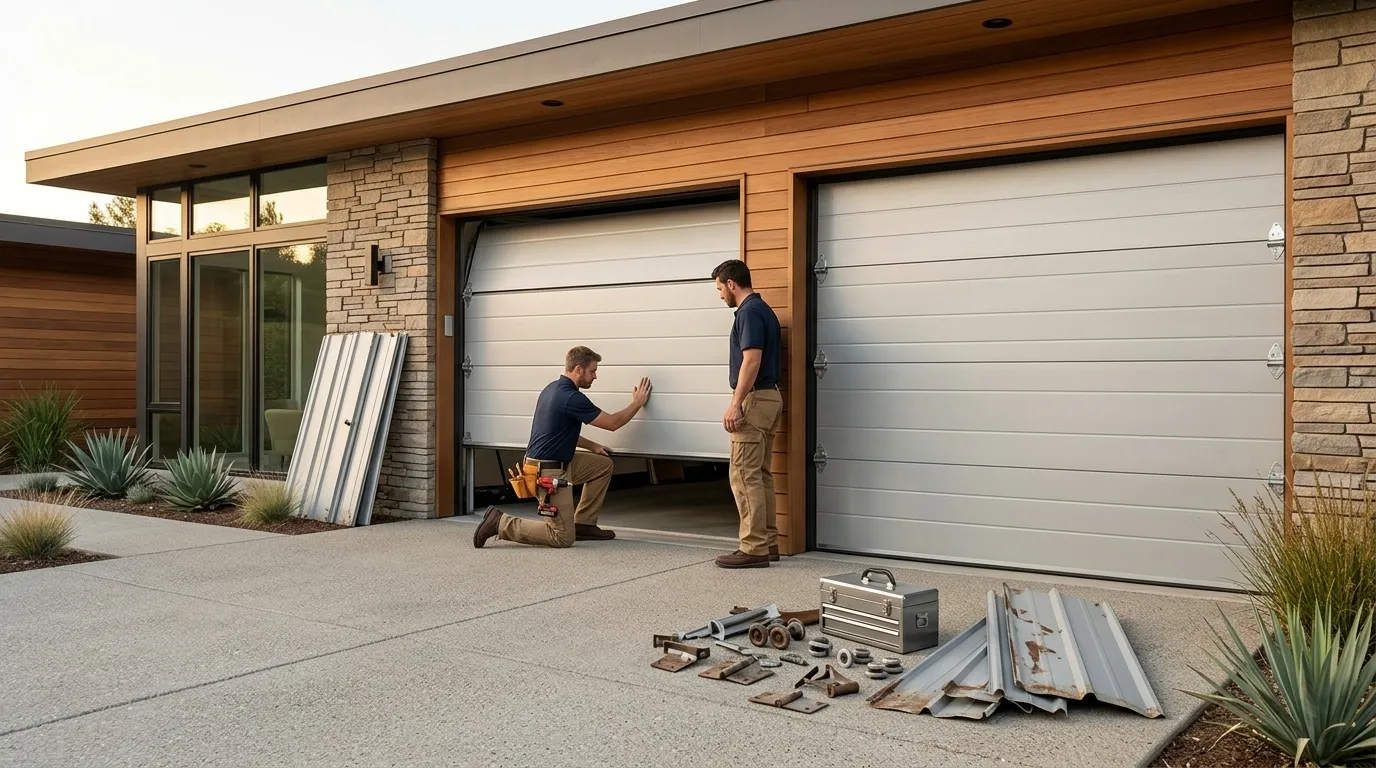
Because Greenwood's housing stock is newer than most of the surrounding area, we see fewer full-door replacements out here and more single or double-panel swaps - the rest of the door is often still sound, which is exactly the kind of job where matching the existing panel color and rib pattern matters more than it would on an older door headed for full replacement anyway.

Why This Fails Locally

Warning signs

How It Shows Up

The most common call from a Greenwood address is a dented bottom panel - the section that takes the abuse from cars, mowers, and kids.

Cold-climate seam rust start

On a 1995-era steel door, that panel usually shows a crease rather than a puncture, since the steel bends before it tears. The second pattern is rust starting at the panel seam nearest the ground, where snowmelt and lawn irrigation sit against the bottom edge longer than anywhere else on the door.

Track-binding panel warping

You'll usually see it as a bubble under the paint before you see actual rust color. We also get calls where a homeowner or a handyman already swapped one panel, and it doesn't match - different sheen, slightly different rib spacing, or a rail height that's off by a fraction.

Builder-supply panel mismatches

Given how much of Greenwood's housing is roughly the same age, a lot of these doors came from a small handful of builder-grade suppliers, so a panel pulled from the wrong supplier's stock is a common cause of the mismatch we get called out to fix. Less often, we see delamination - the foam backing separating from the steel skin - which shows up as a panel that looks fine from a distance but flexes or sounds hollow when you knock on it.

DIY or pro

Can You Do This Yourself

If the damage is cosmetic - a shallow dent with no crease and no rust - a DIY dent-pulling kit can sometimes get a panel looking acceptable, and that's a fair place to start before you call anyone.

1995-steel panel crease damage

Where we'd stop you: matching an exact panel color, rib profile, and window cutout on a door that's approaching thirty years old is not a guessing game you want to run twice. Order the wrong panel and you're either living with a visible mismatch or paying for a second panel and a second afternoon of labor.

Bottom-seal weatherstrip impact

We also won't recommend patching a panel where the rust has gotten past the paint into the steel itself - that section will keep rusting from the inside no matter what you put over it, and a patch there is money spent to delay a job you'll still need done.

Track-misalignment panel binding

One honest limit on our end: if your door's manufacturer discontinued that exact panel style, we may not be able to get a perfect match even though the door is otherwise structurally fine. In that case we'll tell you straight whether a close match is good enough or whether the better move is replacing both panels on that side so the mismatch isn't as obvious.

Questions

Common questions

Why does my panel need replacing when the rest of the door still works fine?

Steel sectional doors from the mid-1990s take damage panel by panel - a dent, a rust spot, or a cracked seam usually stays contained to one section rather than spreading. If the springs, track, and opener are all sound, replacing just the damaged panel is usually the right call rather than swapping the whole door.

Can you match the panel color on an older door?

Often yes, since 1990s builder-grade steel doors came from a limited number of suppliers and colors. Sometimes the exact shade or rib profile has been discontinued. We'll check before we quote and tell you honestly if an exact match isn't available.

Do you charge extra to come out to Greenwood?

We work out of Blue Springs, about 12 miles away, and we build that drive into the same visit as your estimate rather than billing a separate trip charge to come look at the door.

Is a dented panel actually a safety issue?

A dent alone usually isn't, but a dent that's cracked the steel or let rust start on the inside can weaken that panel's ability to hold its shape under the door's own weight and wind load. Worth having looked at rather than assumed.

Ready when you are

Need a garage door sorted in Blue Springs?

Blue Springs Garage Door Pros repairs and installs garage doors, springs and openers in Blue Springs, MO and the surrounding area.

CallGet a quote